

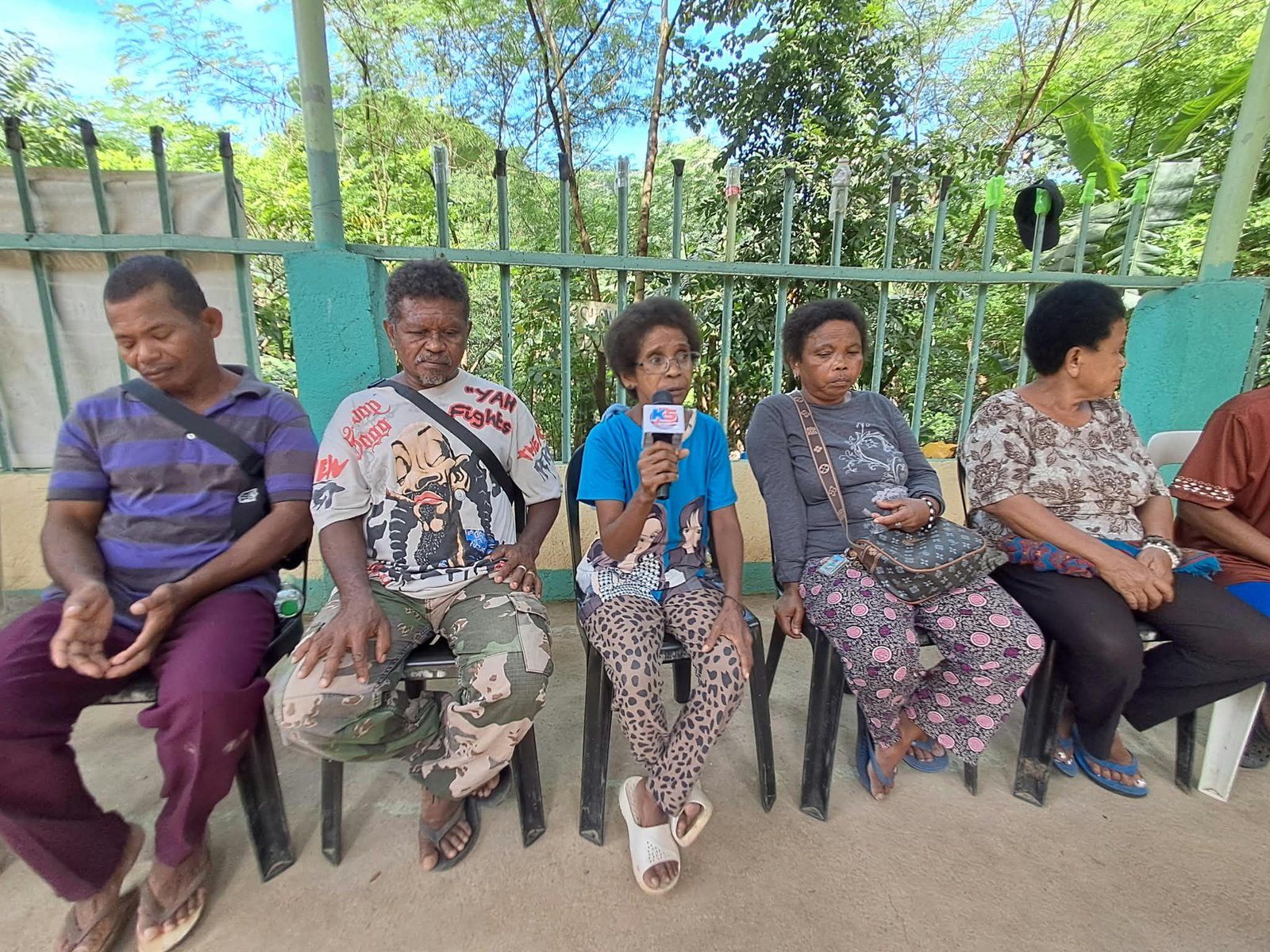
Tribal Kagawad Zenaida Liwanag shares her insights during a community gathering attended by residents and media representatives in Olongapo City, where elders from Sitio Mampueng and Sitio Tralala discussed the impact of AboitizPower’s solar project on their livelihoods and the need for continued support for indigenous families.
By: Dante M. Salvaña
OLONGAPO CITY — Stable jobs, improved access to markets and calls for greater educational assistance are emerging as key benefits and priorities for indigenous communities hosting a solar power project in the mountain areas of Olongapo City.
For generations, members of the Aeta communities in Mampueng and nearby sitios have relied on farming rice, papaya and native fruits for their livelihood, often carrying their harvests across rivers and difficult mountain trails to reach markets. Heavy rains could leave families isolated, restricting their access to food, supplies and other basic necessities.
The development of a utility-scale solar project by AP Renewable Energy Corp. (APREC) has brought new employment opportunities and improved access to some of these remote communities, while tribal leaders are appealing for continued support, particularly for families and schoolchildren.
During a community gathering attended by residents and media representatives, elders from Sitio Mampueng and Sitio Tralala shared their experiences and expressed appreciation for the employment opportunities and assistance associated with the project.
Zenaida Liwanag, a Tribal Kagawad of Mampueng, thanked APREC for bringing employment closer to the community, allowing residents to earn without having to travel far from their homes.
She said the opportunities have helped families, particularly those whose children continue to pursue their education.
The availability of work within or near their communities provides an alternative to depending solely on farming, which can be physically demanding and vulnerable to weather conditions.
Jobs and improved access
The solar development has opened employment opportunities for indigenous residents, including work in security and maintenance, while improvements to access roads have helped ease travel between upland communities and nearby market areas.
These developments are significant for families whose livelihoods traditionally depend on agricultural produce and access to lowland trading centers.
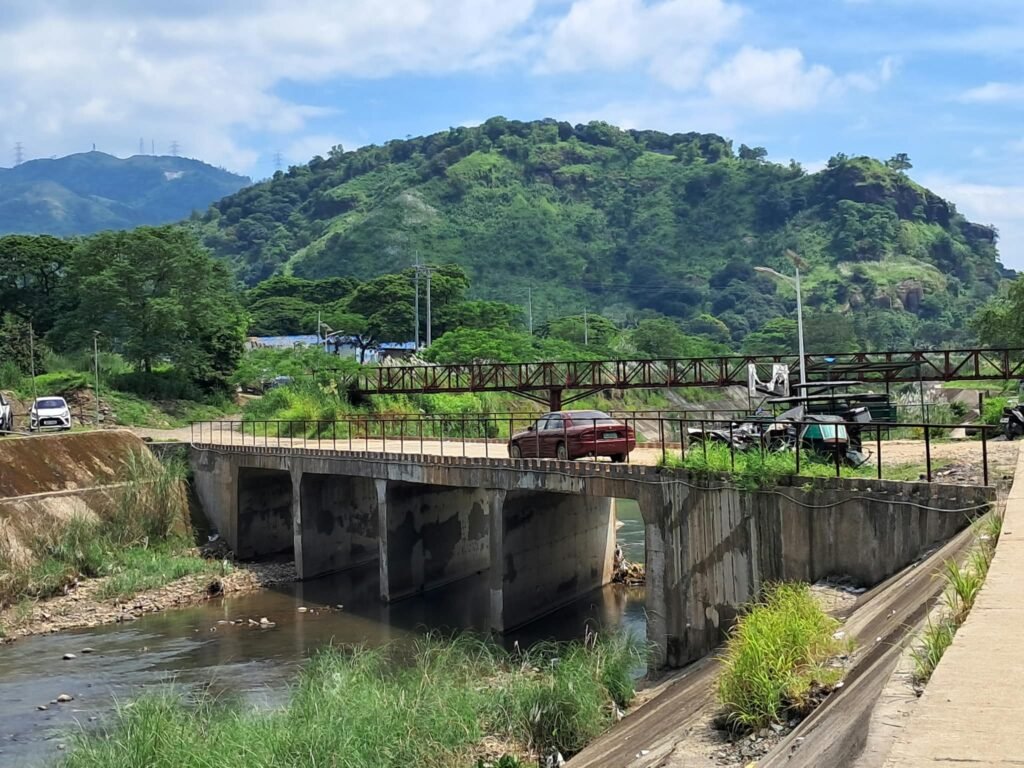
Previously, residents had to negotiate difficult trails and cross several rivers to transport their harvests. Prolonged monsoon rains could make travel dangerous or impossible, affecting both their income and access to essential supplies.
Improved accessibility can help farmers transport their produce more efficiently and enable residents to travel with greater ease, although continued community support remains important as the project progresses.
Elders appeal for education assistance
Beyond employment and infrastructure, community elders are also seeking sustained assistance for indigenous children, emphasizing that education can provide opportunities for the next generation to improve their lives.
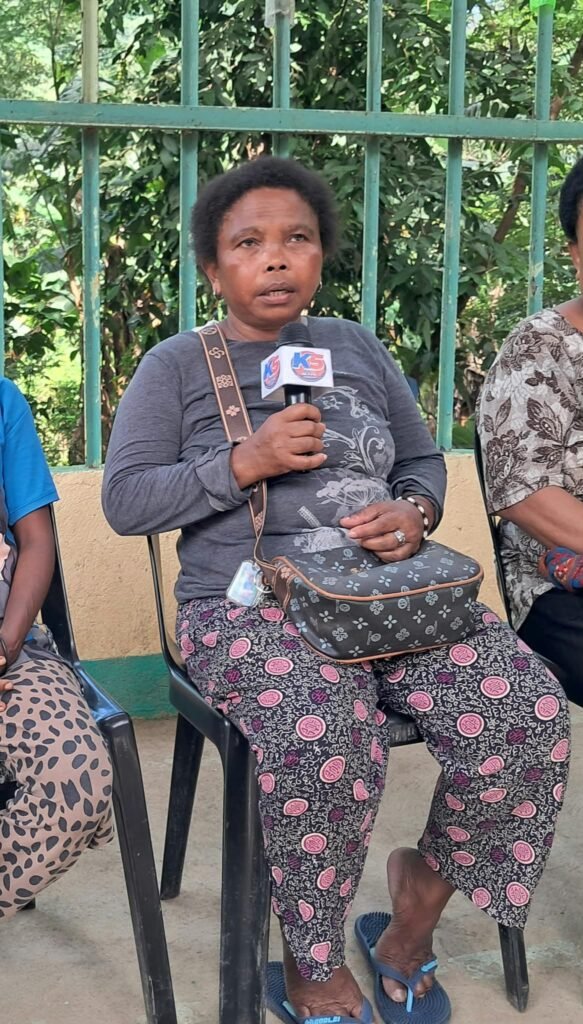
Terisita Rivera, a purok elder of Mampueng, appealed for support for students in the community, saying assistance would help more children finish their studies and pursue their ambitions despite financial difficulties.
She expressed gratitude for the presence of a school and a teacher in the community, stressing the importance of making education accessible to indigenous children.
Rivera said she hoped the support extended to the community would help students continue their education and work toward their dreams despite their families’ limited means.
Her appeal underscores the need to complement employment and infrastructure improvements with initiatives that support education, particularly for children in geographically isolated indigenous communities.
Partnership with indigenous communities
The solar project operates within the ancestral domain of indigenous communities, making consultation and coordination with the National Commission on Indigenous Peoples (NCIP) an important part of the development process.
Under the Free, Prior and Informed Consent framework, indigenous communities are consulted on projects affecting their ancestral lands, including the terms governing the use of these areas and the benefits intended for host communities.
The project’s reported community benefits include employment, royalty arrangements and assistance for indigenous households. Details of the applicable royalty amounts, distribution among host communities and specific education commitments should be confirmed with AboitizPower and the NCIP.
For residents of Mampueng, Tralala, Iram and New Cabalan the host communities, the long-term value of the solar development will depend not only on its contribution to clean energy but also on how its economic opportunities translate into lasting improvements in household welfare.
The accounts shared by Liwanag and Rivera highlight two immediate priorities: sustaining livelihood opportunities for indigenous families and ensuring that children have the support they need to finish school.
As the country expands its renewable energy capacity, the experience of Olongapo’s Aeta communities points to the importance of ensuring that host communities participate in the benefits of development while their rights, livelihoods and aspirations remain central to the process.