

Photo By: DENR Central Luzon
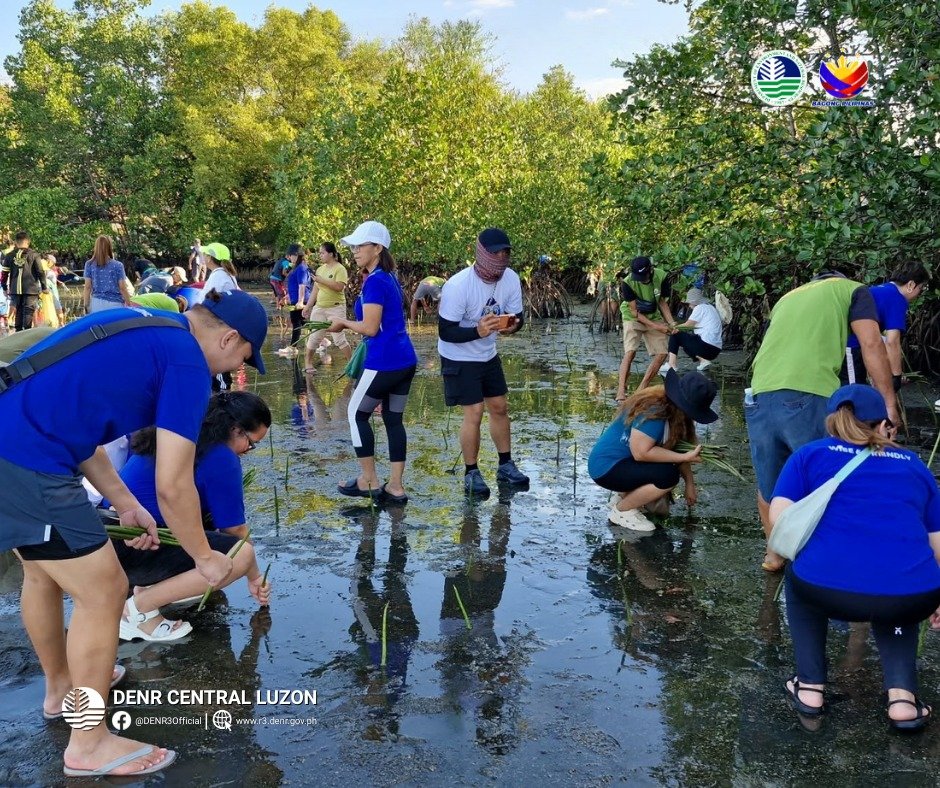
CITY OF SAN FERNANDO, Pampanga — The Department of Environment and Natural Resources (DENR), together with local stakeholders, has intensified efforts to restore degraded coastal ecosystems through a mangrove rehabilitation drive in Barangay South Poblacion, located within the Masinloc and Oyon Bay Protected Landscape and Seascape (MOBPLS).
Covering more than 7,500 hectares, the protected seascape is a biodiversity hotspot featuring 86 hectares of mangrove forests, 800 hectares of seagrass beds, and 1,500 hectares of coral reefs—critical habitats that sustain fisheries and shield coastal communities from environmental threats.
The rehabilitation initiative aims to reinforce shoreline protection and promote marine biodiversity by restoring damaged mangrove zones. Mangroves play a vital role in stabilizing coastlines, reducing erosion, and providing breeding grounds for various marine species.
According to Community Environment and Natural Resources Office (CENRO) Masinloc Chief Donaver Guevarra, more than 9,000 mangrove propagules were planted across an estimated one-hectare site. The species included Rhizophora apiculata and Rhizophora stylosa, selected based on their suitability to the area’s soil condition, zoning, and environmental characteristics.
The activity drew strong support from the Barangay Local Government Unit of South Poblacion, Mother Rita Multi-Purpose Cooperative, Taltal National High School, and the DENR-Protected Area Management Office—highlighting the importance of multi-sectoral collaboration in environmental conservation.
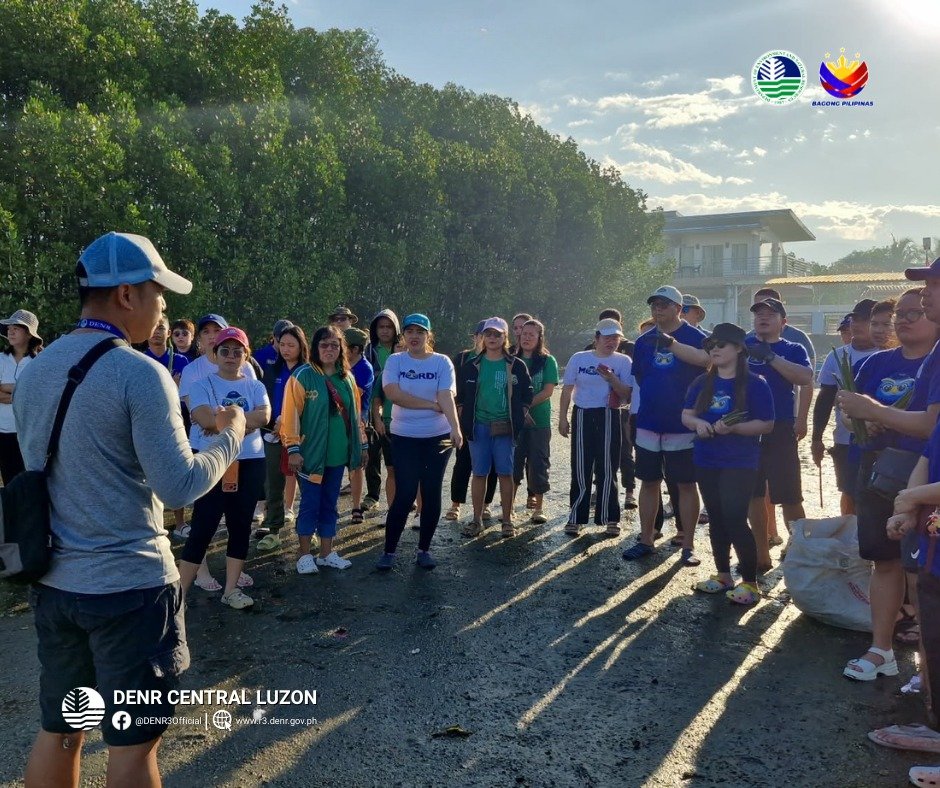
Photo By: DENR Central Luzon
“We are encouraged by the active participation of the community and our partners. Efforts like this are essential in restoring coastal ecosystems and ensuring that future generations continue to benefit from the protection and resources that mangroves provide,” Guevarra said.
DENR Regional Executive Director Ralph Pablo emphasized the long-term impact of such initiatives, noting that mangrove rehabilitation remains a cornerstone of climate adaptation strategies.
“By working closely with local stakeholders, we can strengthen our programs and deliver sustainable environmental outcomes that protect both biodiversity and coastal communities,” Pablo said.
The DENR underscored that sustained partnerships and continued community engagement are key to maintaining rehabilitation gains and safeguarding marine ecosystems.
Established under Republic Act No. 11038, the MOBPLS stands as Central Luzon’s only marine protected area. It hosts 33 mangrove species, including the flagship hybrid Rhizophora × lamarckii, a natural cross between R. apiculata and R. stylosa.
Mangroves in the area provide essential ecological services, acting as natural buffers against storm surges, serving as nurseries for marine life, and capturing carbon—making them vital in the fight against climate change.