


Photo by: Pampanga PIO
SAN FERNANDO, Pampanga — Pampanga is moving to help rice farmers protect harvest revenues and sustain palay production amid market concerns and the looming threat of El Niño, with the provincial government backing palay drying and transport to the National Food Authority (NFA) and targeting 50 solar-powered irrigation units by 2027.
Gov. Lilia “Nanay” Pineda discussed the measures during a consultation meeting on Tuesday with farmers, farmers’ cooperatives and associations, and concerned government agencies to address issues involving palay prices, market access, crop insurance and preparations for prolonged dry conditions.
Under the arrangement, the provincial government will assist farmers in drying their palay and transporting their produce to the Rice Complex in Lubao for possible purchase by the NFA, subject to the agency’s quality standards.
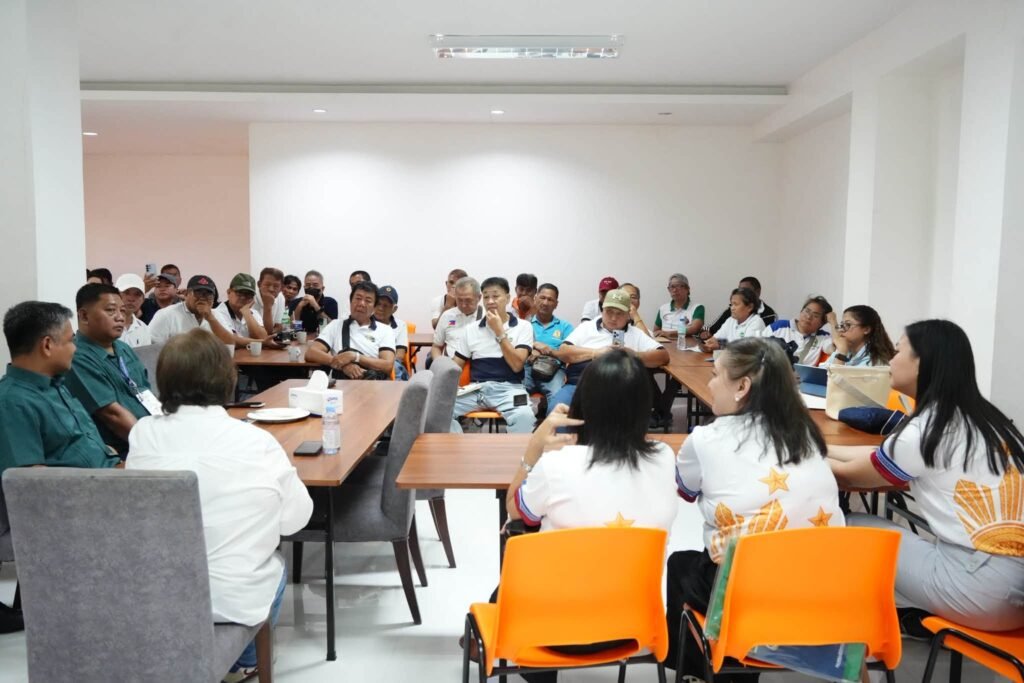
Photo by: Pampanga PIO
Purchases will require a Registry System for Basic Sectors in Agriculture (RSBSA) identification card and will be limited to 200 sacks per farmer, according to the provincial government.
The assistance is intended to ease post-harvest and transport constraints that can affect farmers’ ability to market their produce, while linking eligible palay stocks to the government’s rice procurement program.
Beyond market access, the provincial government is pursuing irrigation investments to help reduce production risks associated with El Niño and other periods of limited rainfall.
The province is targeting 50 Solar-Powered Irrigation System (SPIS) units by 2027 in coordination with the National Irrigation Administration and the Department of Agriculture.
The planned installations are expected to help improve water access for rice farms, support more stable production and reduce farmers’ exposure to weather-related disruptions.
The initiatives come as the provincial government seeks to address both immediate marketing concerns and longer-term production challenges affecting Pampanga’s rice industry. Improving access to palay procurement, post-harvest services and reliable irrigation is central to protecting farm incomes and sustaining the province’s contribution to local rice supply.