

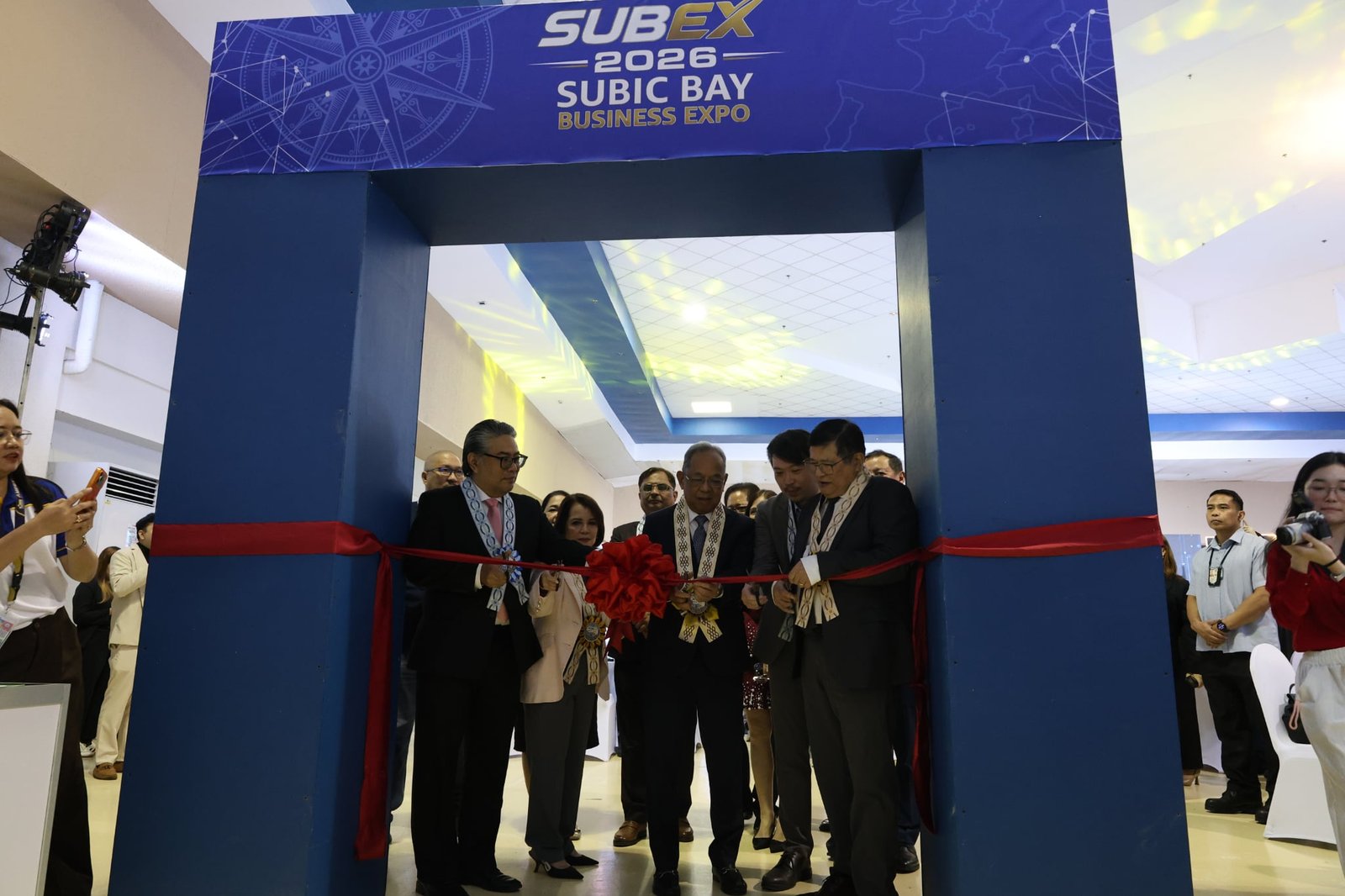
SUBIC BAY FREEPORT — Subic Bay Metropolitan Authority (SBMA) Chairman and Administrator Eduardo José L. Aliño highlighted the Subic Bay Freeport’s manufacturing capabilities and logistics infrastructure as key assets in attracting investments and strengthening regional supply chains during the inaugural Subic Bay Freeport Expo (SUBEX 2026) on October 20.
Held at the Subic Bay Exhibition and Convention Center, the expo brought together businesses, government officials and industry stakeholders to showcase locally manufactured products, identify potential suppliers and explore opportunities to expand industrial activity in the Freeport.
Aliño said SUBEX provides companies with a platform to demonstrate their production capabilities and help prospective buyers identify goods and services available within Subic.
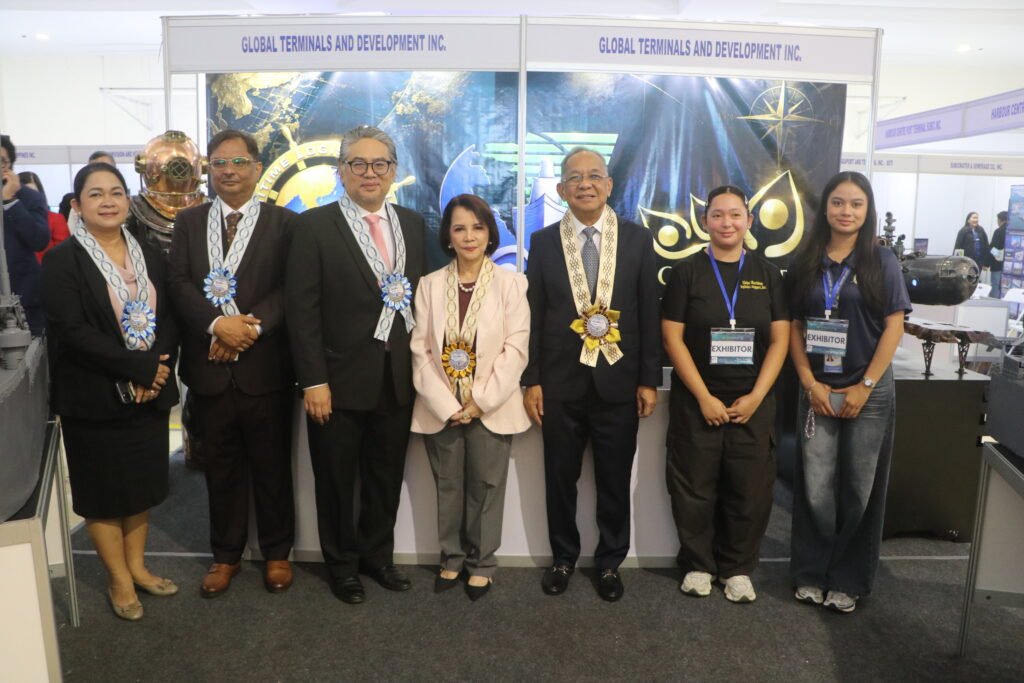
“This is why there are booths here. This is what proves that a product is being made here,” Aliño said, citing locally manufactured machinery and motors as examples of products that businesses can source within the Freeport.
He also underscored Subic’s port facilities and logistics services, which can support the movement of raw materials and finished products for manufacturers and exporters.
Closer coordination among manufacturers, suppliers and logistics operators, he said, could help establish more integrated supply chains and generate jobs and government revenues to support public infrastructure and services.
Aliño also stressed the need to prepare adequate resources for future industrial development, particularly reliable water supplies for facilities such as data centers. Potential measures include rainwater collection and desalination to help meet operational requirements.
Manufacturing as an economic driver
The expo’s focus on industrial development was reinforced by Subic Bay Freeport Chamber of Commerce (SBFCC) President Benjamin “Bobong” Antonio III, who called for a stronger manufacturing base to create jobs, develop local suppliers and improve the Philippines’ competitiveness in global markets.
Antonio identified manufacturing, logistics and tourism as the Freeport’s three economic pillars but stressed that manufacturing must play a greater role in the country’s long-term economic development.
“Manufacturing is not just an industry. It is how a country earns its dignity,” Antonio said in his welcome remarks.
He cited the Philippines’ declining manufacturing share, which he said dropped from nearly 30% of the economy in 1974 to about 17% last year, and contrasted the country’s industrial trajectory with South Korea’s transformation into a major manufacturing economy.
Antonio also drew from his experience operating a shoe factory with his wife, which eventually closed when cheaper imports flooded the market.
He said Filipino workers have the skills to compete internationally, but local manufacturers need a supportive business environment, adequate infrastructure and policies that allow them to remain competitive.
“I did not lose that business to a lack of skill. Filipino hands are among the finest anywhere. We lost it because the ecosystem was not there to compete,” he said.
Antonio added that a strong manufacturing sector enables local suppliers to expand, businesses to become exporters and communities to develop into economic centers.
Connecting Subic to Asian markets
SUBEX 2026 featured discussions on “The Pan-Asian Advantage: Capitalizing on Japan, Taiwan and the Philippines’ Multi-Sector Manufacturing in Subic” and “The Pax Silica Blueprint: Powering the Luzon Economic Corridor.”
The sessions explored opportunities to link manufacturers, suppliers and logistics networks across Asian markets and strengthen Subic’s role in emerging industrial developments in Luzon.
Antonio said the Freeport is well-positioned to attract manufacturing investments but emphasized that realizing its potential would require coordinated action from government and the private sector.
He cited the Supreme Court’s affirmation of Freeport enterprises’ tax and duty incentives under the Corporate Recovery and Tax Incentives for Enterprises (CREATE) law, saying policy certainty is important in giving investors confidence to establish and expand operations.
“Investors look for certainty, and we can now offer it,” he said.
Antonio stressed that investment promotion must be matched by policies, infrastructure, incentives and sustained collaboration between government and business.
“Belief alone builds nothing. It takes the right policies, infrastructure, incentives, and real collaboration between government and business,” he said.
SUBEX was organized through the collaboration of the SBFCC, SBMA and the Philippine Chamber of Commerce and Industry (PCCI), with support from sponsors and exhibitors.
Antonio credited the partnership among the organizations, along with the SBFCC Board and Executive Director Donna Banzon-Tamayo, for bringing the inaugural expo to fruition.
He expressed hope that SUBEX would help position Subic as a preferred destination for manufacturing and investment in the region, building on the chamber’s longstanding support for Freeport businesses since 1995.
“To our guests and buyers: look around, ask questions, and do business with us. And to my fellow locators: this is our home. Let’s build it well,” Antonio said.