

By Dante M. Salvaña
0LONGAPO CITY — Every community has people whose lives quietly inspire others. They may not always make headlines, but their journeys carry lessons powerful enough to change perspectives, ignite dreams, and strengthen communities.
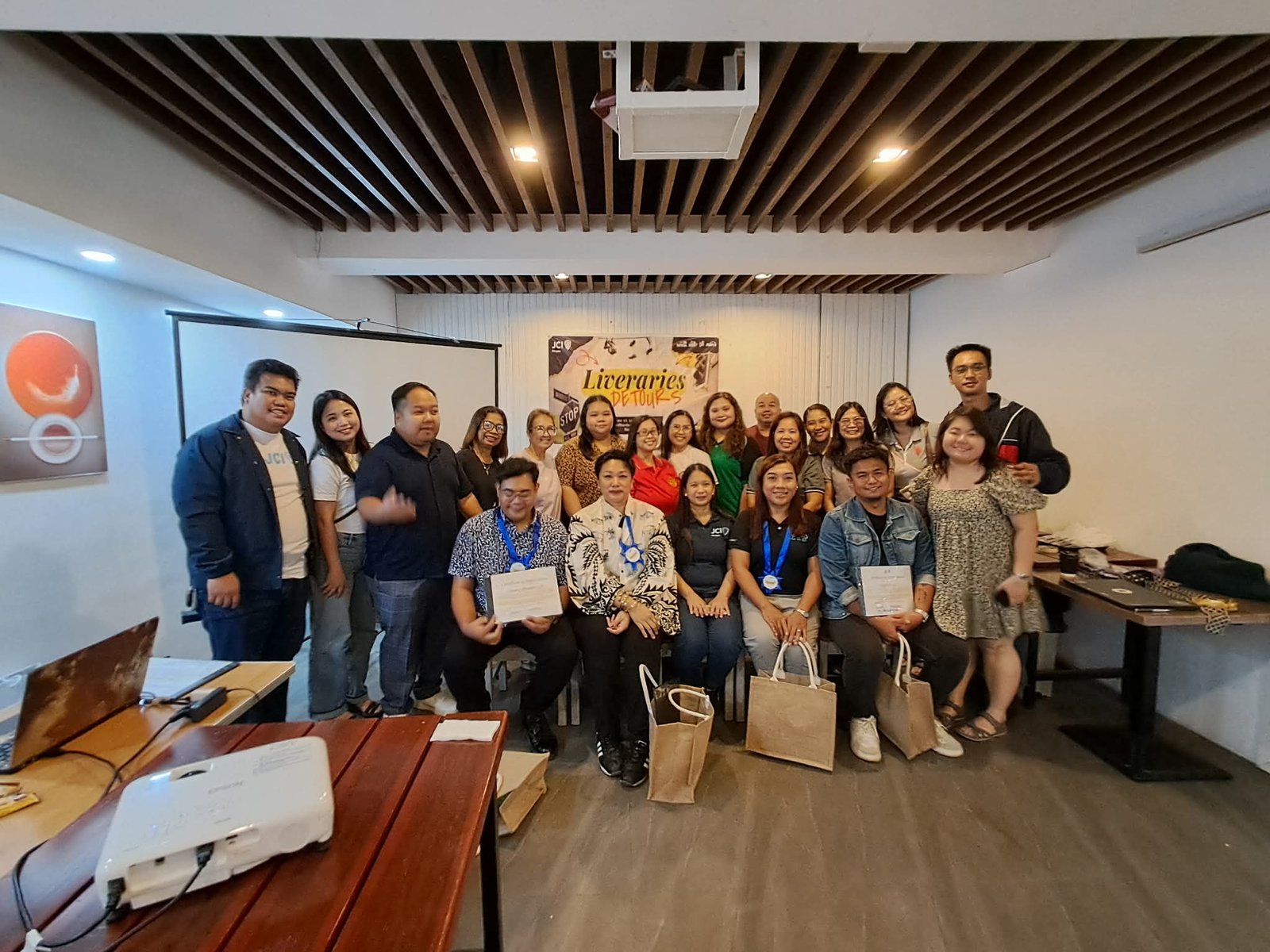
That was exactly what unfolded inside 580 Coffee Shop along Magsaysay Drive on June 27, 2026, as JCI Olongapo, led by President Barbi Gonzaga, hosted another meaningful edition of Libraries Detour—the award-winning storytelling movement founded by Jason Gavina.
More than an afternoon of speeches, Liveraries Detour became a celebration of courage, purpose, and humanity, proving once again that every ordinary person carries an extraordinary story.
Since its founding in 2019, Liveraries Detour has evolved from a simple gathering among members of the Junior Chamber International (JCI) into a nationwide advocacy promoting storytelling while encouraging literacy. Admission comes not with a ticket, but with a donated book—gifts that eventually find their way to public schools and community libraries across the country.
For Gavina, storytelling has always been about creating understanding. “We realized there were so many inspiring people whose stories remained unheard because of stereotypes,” he said. “Libraries Detour became a safe space where people could simply listen.” Throughout the afternoon, that vision came alive.
Finding Purpose Through Clay
Among the featured storytellers was Mia Casal, a ceramic artist based in San Narciso, Zambales, whose life story demonstrated that sometimes the greatest masterpieces are not only shaped from clay—but also from life’s unexpected detours.
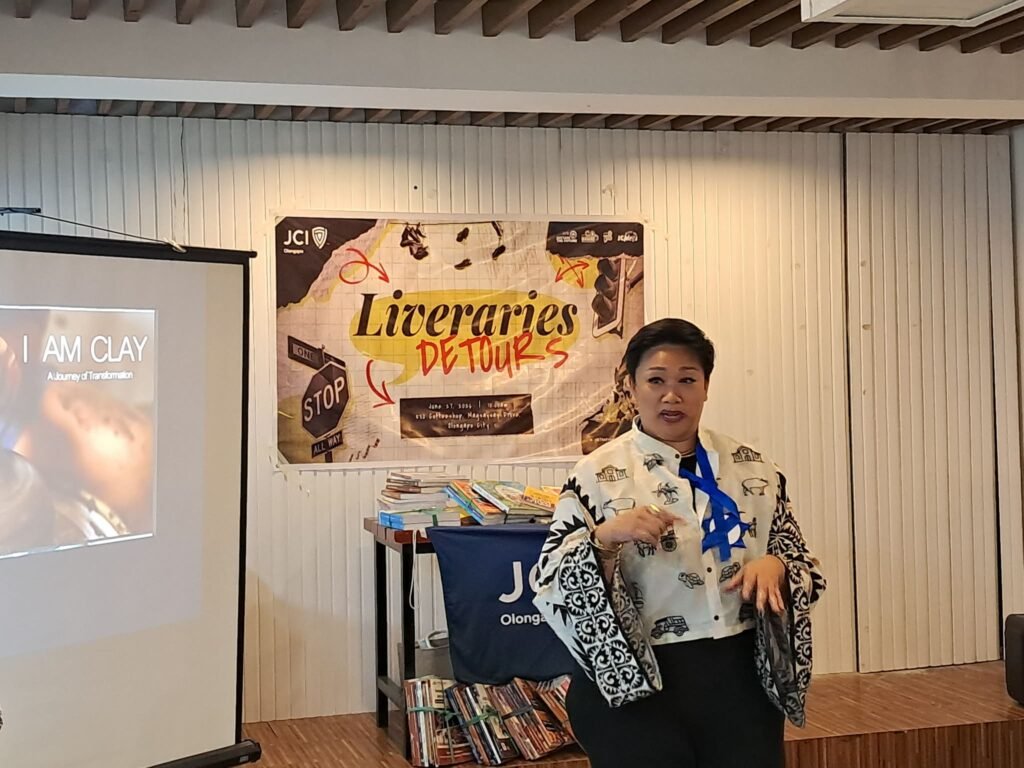
Although she now calls the countryside home, Casal grew up in Manila. Every summer, however, she eagerly looked forward to escaping city life and spending time in the province, where she found peace in nature and discovered a slower, more meaningful way of living.
For more than two decades, ceramics has been her language of expression. Starting with simple workshops, Casal taught ceramics to housewives, caregivers, children, and hobbyists long before social media became a marketing tool. Armed only with printed flyers and determination, she went around neighborhoods inviting people to discover the calming art of molding clay. She admitted that pottery became more than a livelihood. It became healing.
Casal shared that she once struggled with panic disorder, and working with clay gave her a sense of peace that medicine alone could not provide. “The clay calmed me,” she said. “Art became my therapy.”
Today, Casal continues mentoring aspiring artists, proving that creativity flourishes not only in big cities but also in rural communities where art can transform lives, preserve culture, and inspire future generations.
Choosing Hope Over Headlines
Another featured storyteller, political consultant, writer, traveler, and former journalist Ruffie Neil Cruz, shared how he walked away from years of reporting crime and controversy to pursue stories that celebrated the beauty of the Philippines.
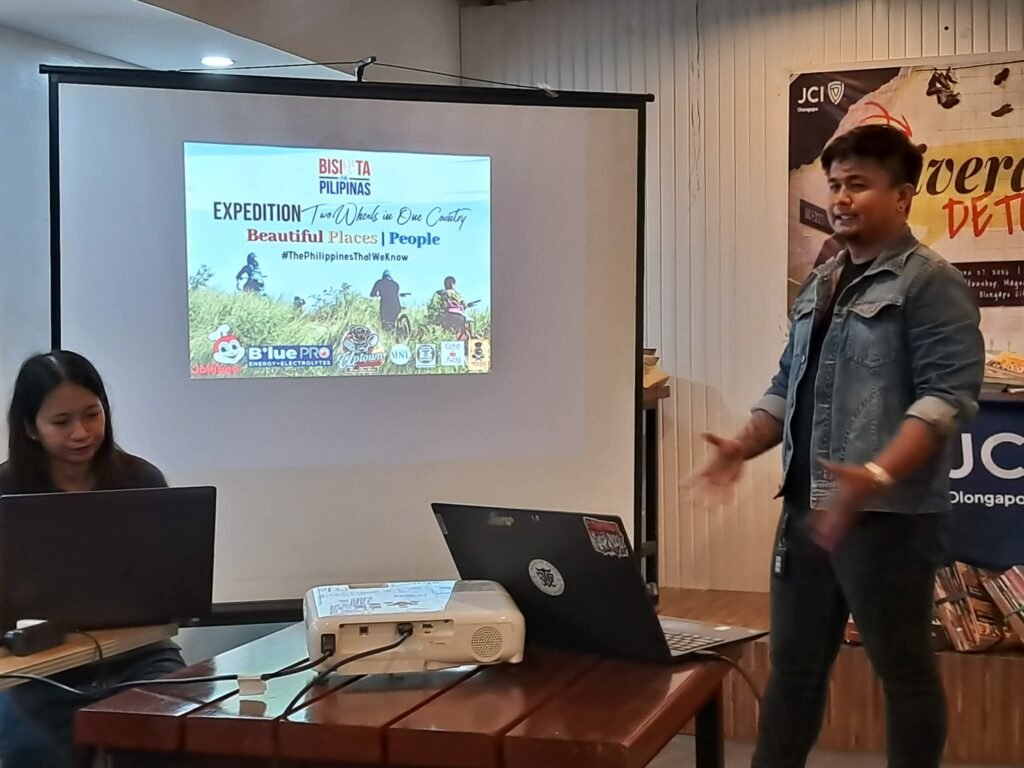
Leaving behind unhealthy habits and his career in traditional journalism, Cruz embarked on a nationwide cycling expedition called “BISiKLETA PILIPINAS,” documenting acts of kindness while organizing medical missions, building solar-powered classrooms, supporting Indigenous communities, and helping restore water systems in remote villages.
Though family responsibilities eventually brought him back to the corporate world and political communications, his purpose never changed.
“I want to tell stories that give people hope,” he said.
Leadership Beyond Titles
Former JCI Olongapo President Oscar Ambrajano Jr. reflected on how joining JCI at just 18 years old changed the direction of his life.
Initially planning to work overseas, he instead embraced community service, eventually leading JCI Olongapo during one of its most challenging periods.
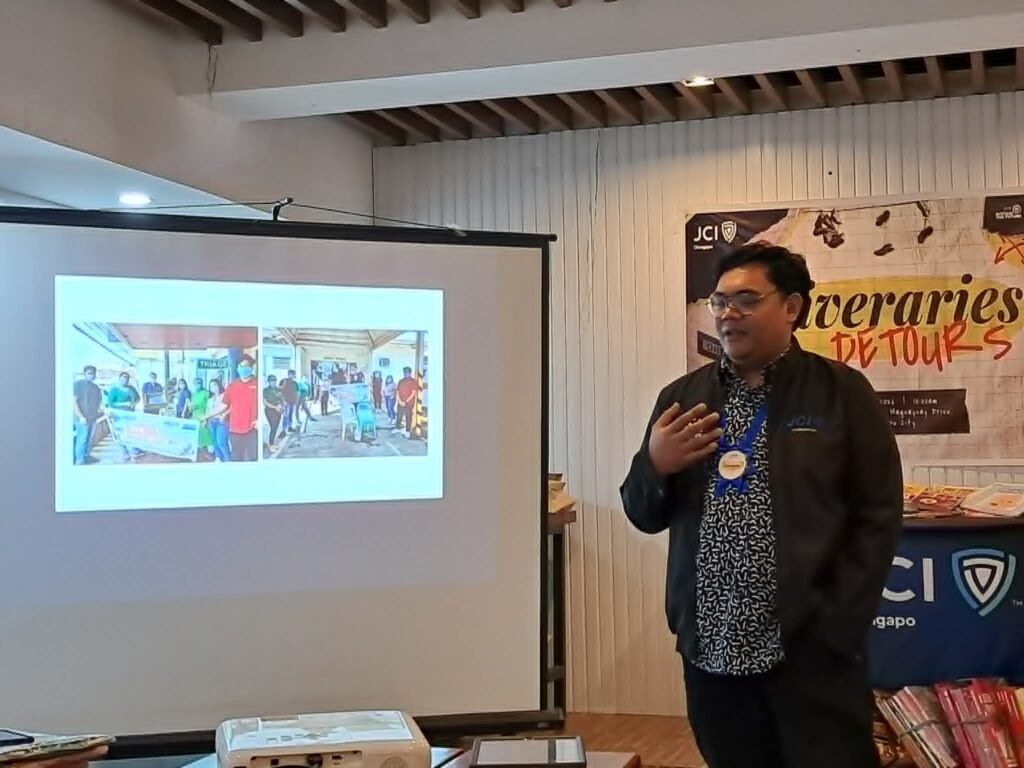
His experience taught him that leadership is never defined by age, but by one’s willingness to serve. That same message echoed through the story of Drew Botulan, President of JCI Pangasinan. Botulan described himself as an unlikely leader.
He did not come from a wealthy family, political dynasty, or influential network. Unlike many aspiring officers, he entered JCI with little more than determination and a desire to become a better version of himself.
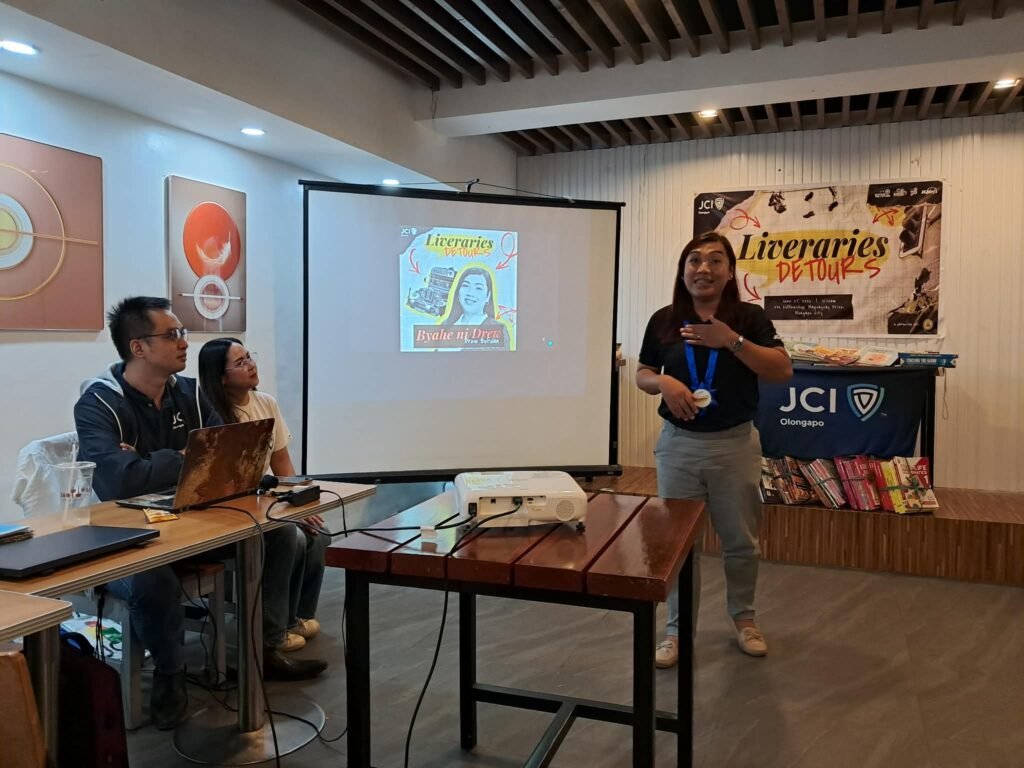
Beginning as a charter member of his local organization, he steadily climbed through the ranks before serving as local president and later accepting national responsibilities as Director for Local Conferences.
Determined to give his relatively young local organization national recognition, Botulan pursued leadership positions that many believed were reserved for larger and more established chapters.
He admitted hearing doubts from people who questioned whether someone without strong connections could succeed. Instead of allowing those opinions to discourage him, he responded through hard work and consistent service. “I wanted to put our local organization on the map,” he shared.
His story reminded listeners that genuine leadership is not inherited through privilege but earned through perseverance, humility, and commitment to serving others.
Every Story Matters
As each speaker stepped off the stage, one message became unmistakably clear. Whether shaping clay in a quiet town in Zambales, cycling across the Philippines, leading volunteer organizations, or simply choosing hope after hardship, every person has the ability to inspire someone else.
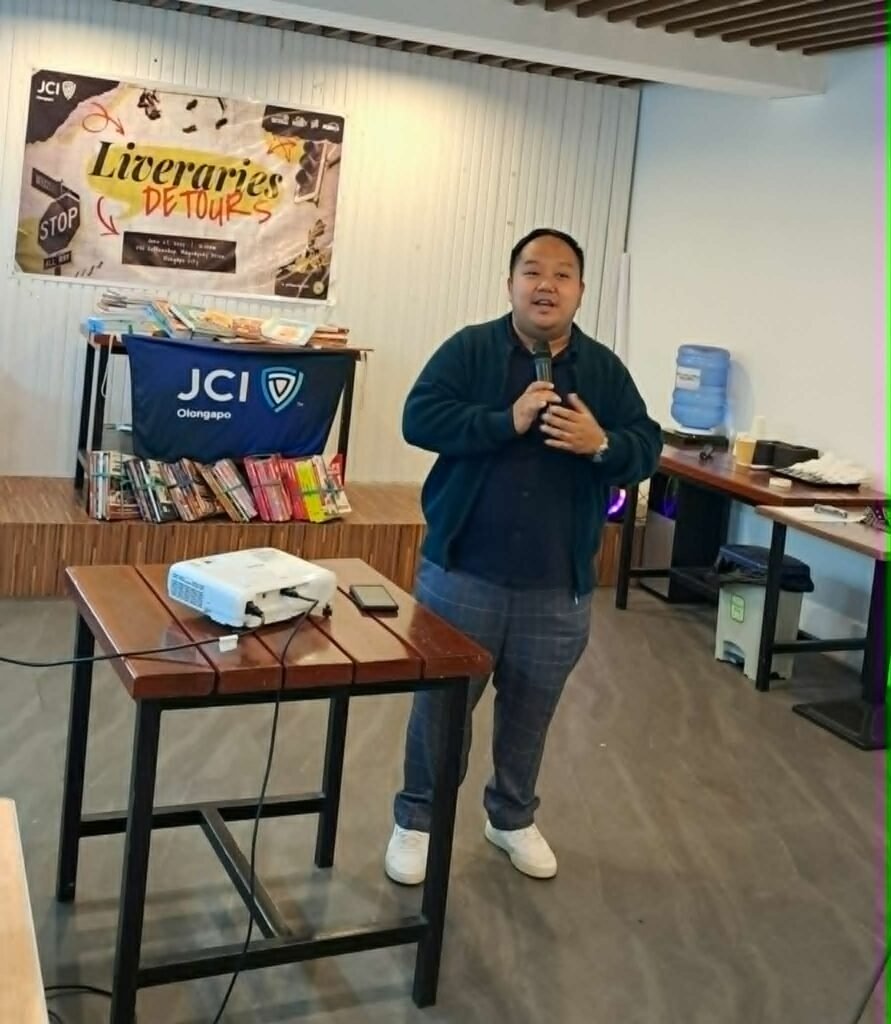
Closing the gathering, Liveraries Detour founder Jason Gavina reminded everyone that stories possess the power to build stronger communities.
“We’re all a little like our speakers,” he said. “If someone leaves today believing they can dream bigger for themselves, their family, or their community, then we’ve accomplished our purpose.”
Hosted by JCI Olongapo under the leadership of President Barbi Gonzaga, the event once again demonstrated that meaningful change often begins with something beautifully simple—a conversation, a donated book, and the courage to tell one’s story.
Because in the end, extraordinary communities are built not only by extraordinary people, but by ordinary individuals willing to share their journeys, inspire others, and leave the world better than they found it.