

By: Dante M. Salvaña
SUBIC BAY FREEPORT — The Subic Bay Metropolitan Authority (SBMA) on Monday reaffirmed its commitment to transparency, environmental protection, and regulatory compliance as it addressed concerns over the alleged importation of electronic waste (e-waste) into the Subic Bay Freeport Zone.
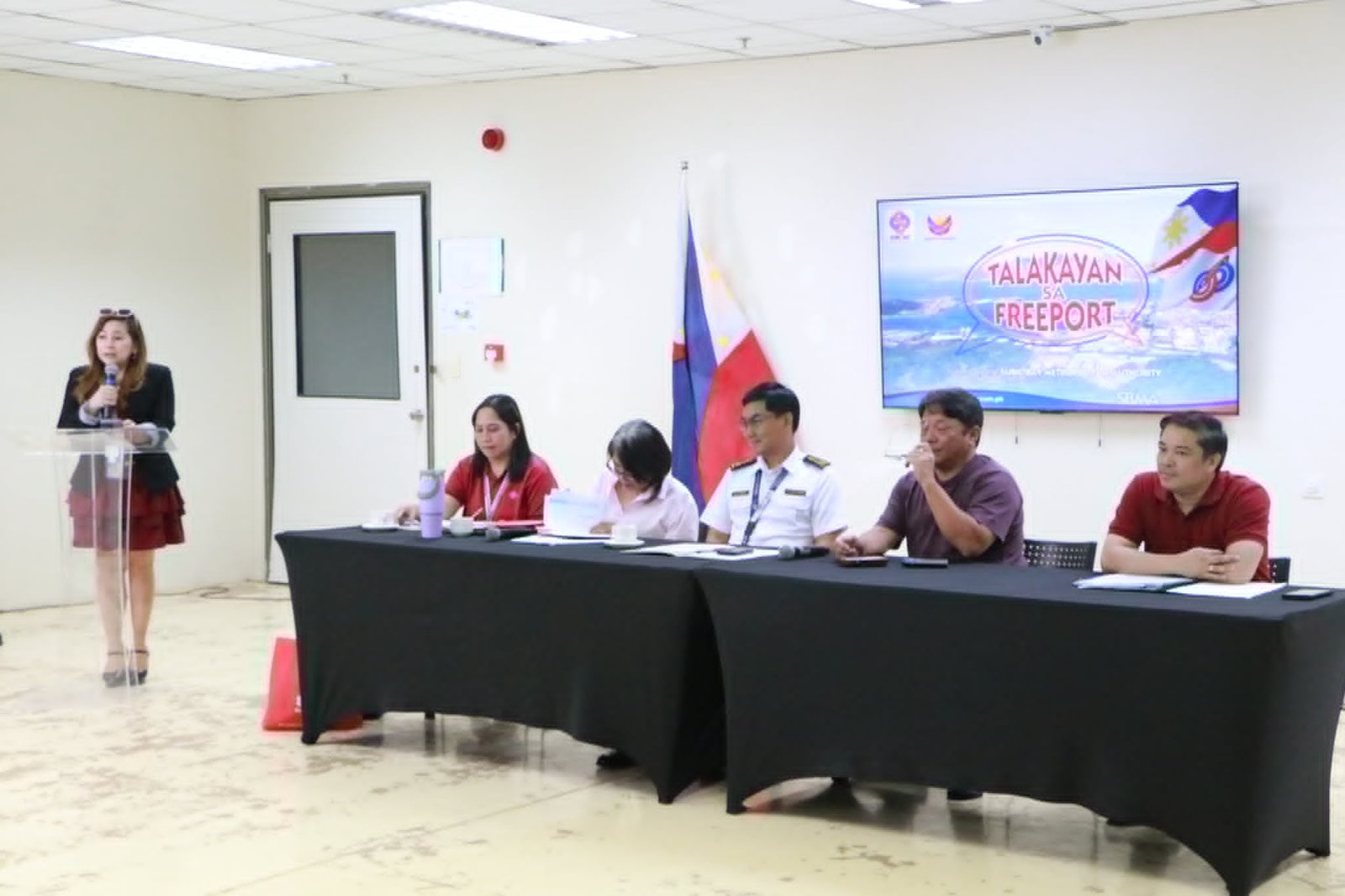
During a Talakayan sa Freeport press conference, SBMA officials, together with representatives from the Bureau of Customs (BOC), Department of Environment and Natural Resources (DENR), and other concerned agencies, provided updates following an inter-agency coordination meeting convened by BOC Commissioner Ariel F. Nepomuceno to discuss the issue.
SBMA Director Honorio “Yuri” Allado III emphasized that the Freeport does not permit the entry of hazardous or radioactive waste and that all recycling activities inside the zone are subject to strict monitoring and environmental safeguards.
“We categorically state that the agency does not allow hazardous waste or radioactive materials inside the Freeport. We support legitimate recycling industries while ensuring compliance with Philippine laws and environmental standards,” Allado said.
He noted that imported recyclable materials undergo post-entry monitoring and testing through DENR-accredited laboratories to determine whether they contain toxic substances. According to SBMA, testing conducted over the past decade has not yielded positive results for toxicity or radioactive contamination.
The inter-agency meeting brought together officials from the BOC, DENR, Department of Justice, Office of the Solicitor General, Department of Foreign Affairs, SBMA, environmental organizations, and other stakeholders. Participating agencies agreed to submit position papers to facilitate a comprehensive legal and policy review while continuing dialogue toward a coordinated government response.
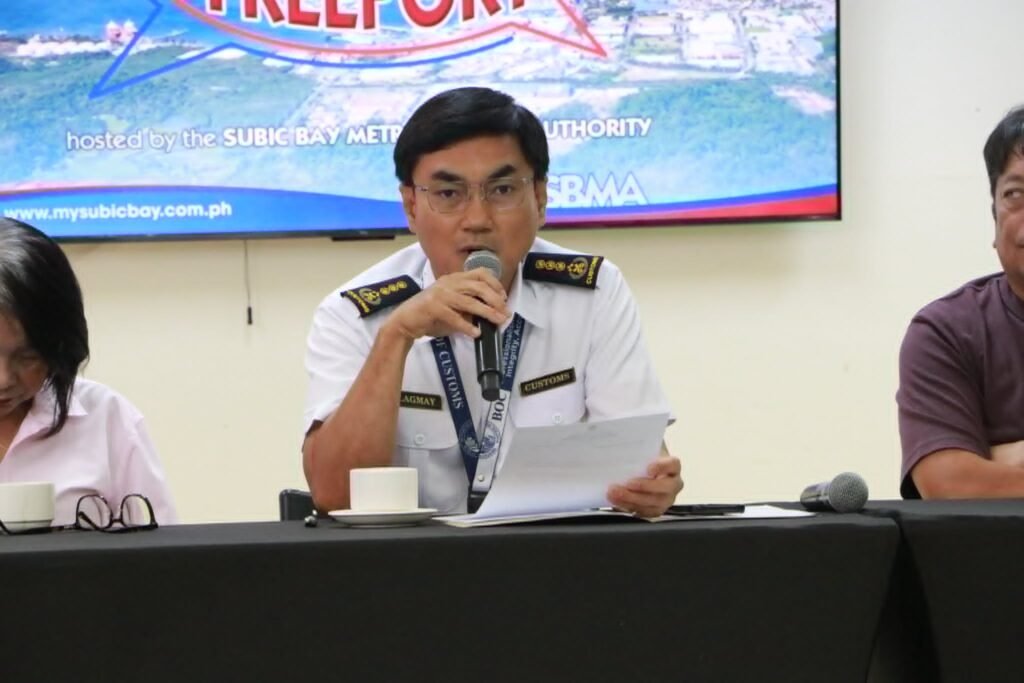
BOC Port of Subic District Collector Atty. Geniefelle P. Lagmay said discussions focused on identifying lawful and appropriate courses of action while legal proceedings involving e-waste importation remain pending.
“The Bureau of Customs, together with partner agencies, remains committed to ensuring that all actions taken are consistent with existing laws. The dialogue among government agencies and advocacy groups will continue until a clear and lawful solution is reached,” Lagmay said.
Deputy Administrator for SBMA Public Health and Safety and Regulatory Group Amethya Dela Llana explained that recycling operations inside the Freeport form part of the circular economy by recovering valuable materials such as copper, aluminum, and precious metals from discarded electronics, reducing dependence on mining and minimizing waste disposal.
She stressed that all registered recycling locators are required to submit monthly liquidation reports detailing imported materials, processed products, exports, residual waste, and inventory. Residual wastes are likewise subjected to regular laboratory testing and companies are required to obtain internationally recognized Responsible Recycling (R2) certification.
SBMA officials also clarified that inspections jointly conducted by the SBMA, DENR, and BOC on July 1 found recycling facilities generally compliant with environmental permits and operational requirements, with only minor recommendations such as facility maintenance and improvements to waste management systems.
The agency reiterated that while it supports investments that generate employment and economic activity inside the Freeport, it remains committed to enforcing environmental regulations and cooperating with national agencies, environmental groups, and Congress should further inquiries be conducted.
SBMA said it welcomes continued dialogue with stakeholders and remains open to facility visits by the media and environmental organizations to promote transparency and public understanding of recycling operations within the Freeport.