

By: Alex Q. Galang
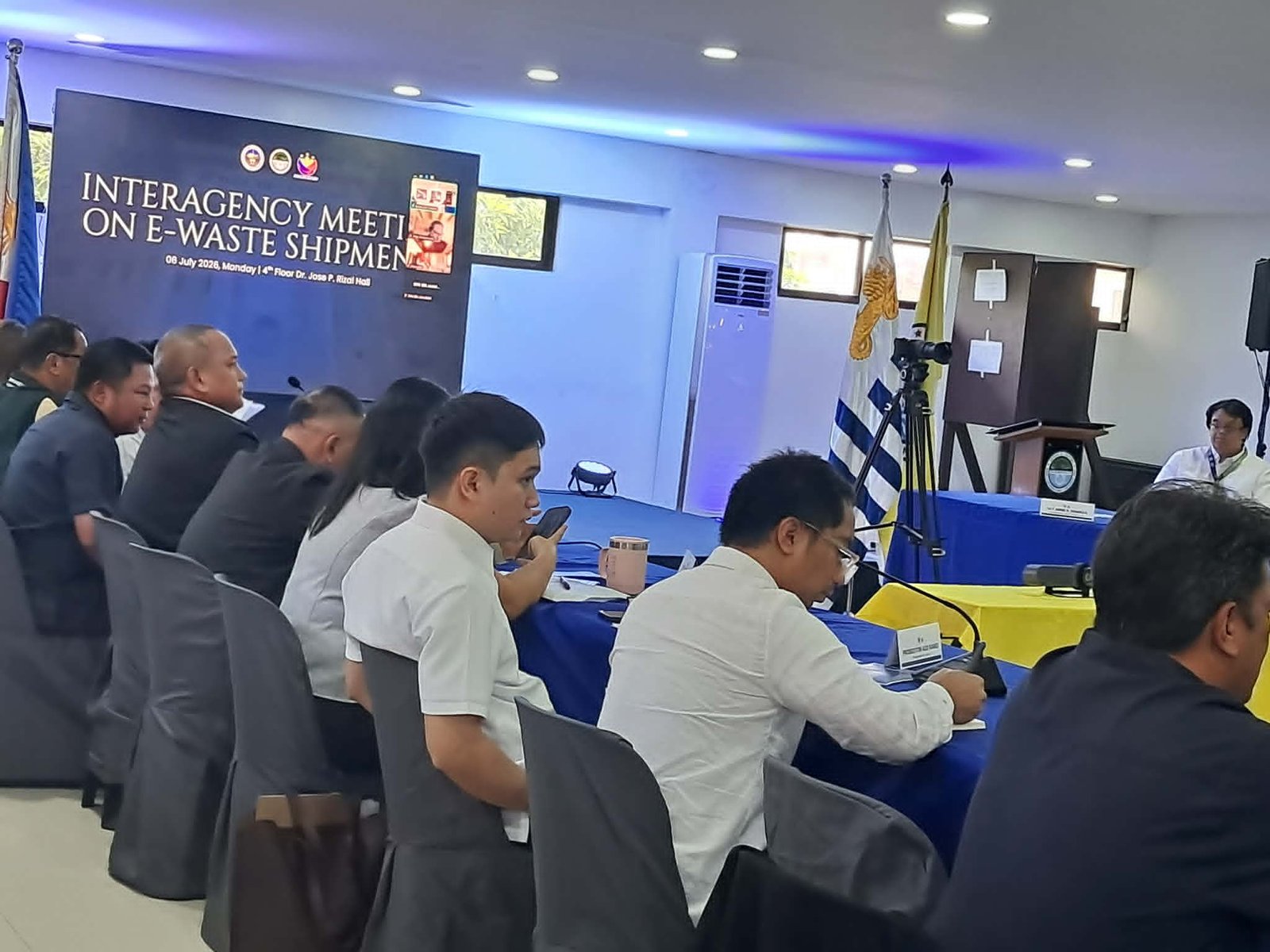
MANILA, Philippines — Government agencies and environmental organizations have agreed to strengthen coordination and pursue a whole-of-government approach in addressing concerns over the importation of electronic waste (e-waste) into the Subic Bay Freeport Zone (SBFZ), following an inter-agency meeting convened by the Bureau of Customs (BOC).
Held on July 6 at the Manila International Container Port (MICP), the meeting was initiated by BOC Commissioner Ariel F. Nepomuceno amid concerns raised by environmental groups over shipments of electronic materials allegedly originating from the United States and entering the Subic Bay Freeport for recycling.
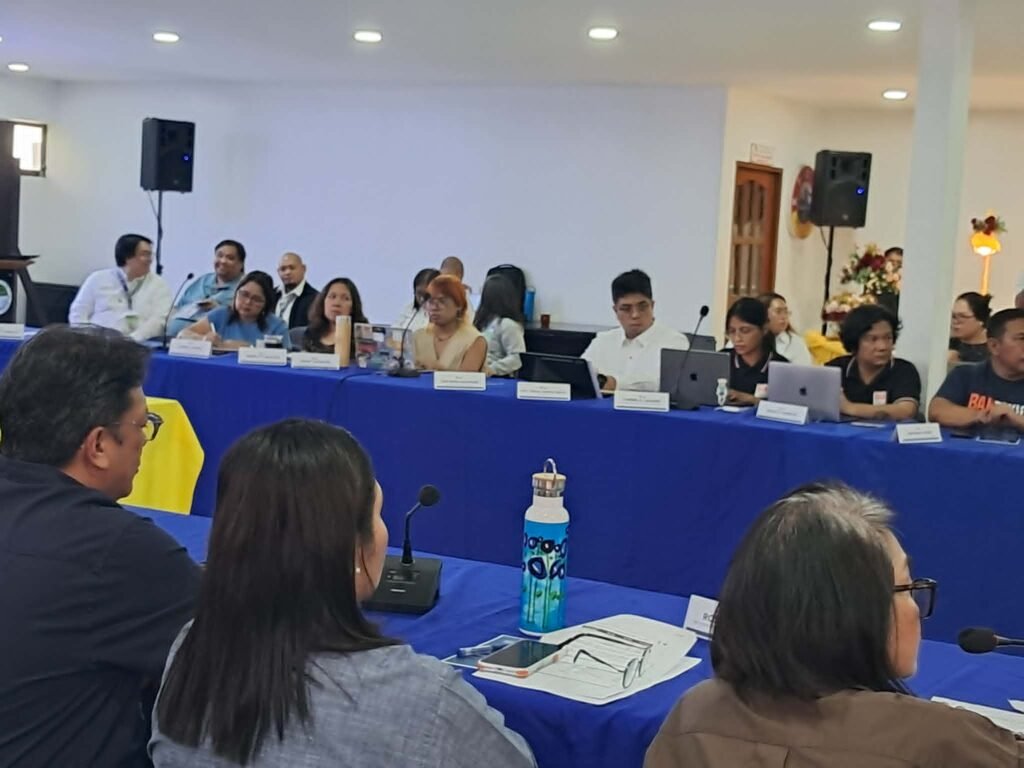
Participating agencies included the Subic Bay Metropolitan Authority (SBMA), Department of Environment and Natural Resources (DENR), Office of the Solicitor General (OSG), Department of Foreign Affairs (DFA), Philippine Economic Zone Authority (PEZA), and representatives from environmental organizations such as the EcoWaste Coalition and BAN Toxics.
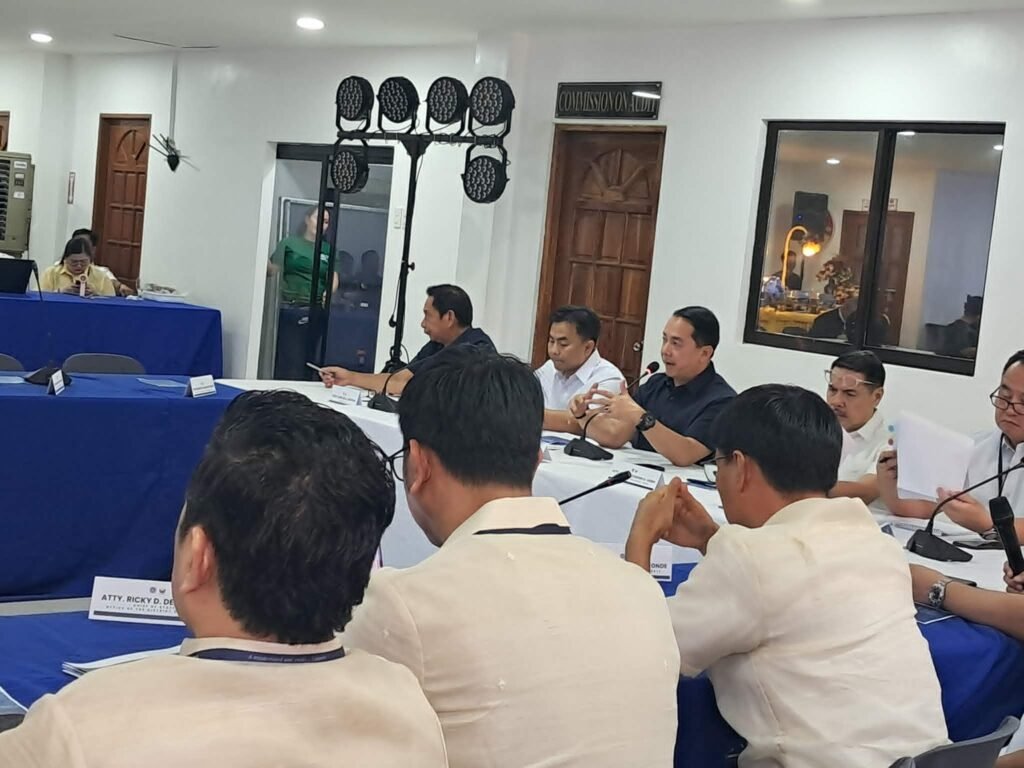
According to the BOC, the meeting focused on identifying appropriate legal and regulatory responses while ensuring that all government actions remain consistent with existing laws, court rulings, and international obligations. Agencies agreed to submit their respective position papers to facilitate a comprehensive evaluation of policy, legal, and regulatory options, while discussions will continue in succeeding meetings.
The issue stems from allegations by environmental groups that shipments of electronic waste from the United States violate the objectives of the Basel Convention, the international treaty adopted in 1989 to regulate the transboundary movement of hazardous waste. The Task Force End E-Waste Imports, led by BAN Toxics, earlier claimed that since March 2025, at least 234 container vans of suspected electronic waste and one container of plastic waste had entered the Subic Bay Freeport from the United States.
Following the inter-agency meeting, SBMA officials held a press conference to clarify the agency’s position and explain the regulatory framework governing recycling operations inside the Freeport.
SBMA Director Honorio “Yuri” Allado III stressed that the Freeport does not permit the entry of hazardous or radioactive waste and that all recycling enterprises operating inside the zone are subject to monitoring and environmental compliance requirements.
“We categorically state that the agency does not allow hazardous waste or radioactive materials inside the Freeport. Our objective is to support legitimate recycling industries while ensuring compliance with Philippine environmental laws and regulations,” Allado said.
SBMA officials explained that companies engaged in recycling secure the necessary importation clearances from the DENR-Environmental Management Bureau (DENR-EMB) and operate under the provisions of DENR Administrative Order No. 2013-22, which regulates the importation of recyclable materials intended for recovery and recycling, provided these are free from prohibited toxic contaminants.
SBMA Officer-in-Charge-Deputy Administrator for Regulatory Amethya Dela Llana said the agency also implements additional safeguards, including monthly inventory and liquidation reports, post-entry inspections, and laboratory testing of residual wastes through DENR-accredited laboratories.
According to SBMA, recycling firms are required to account for all imported materials, processed outputs, exports, and residual waste, while remaining subject to regular environmental monitoring and compliance inspections.
The agency likewise emphasized that recycling activities form part of the circular economy, allowing valuable materials such as copper, aluminum, and precious metals to be recovered from discarded electronic equipment instead of extracting new raw materials through mining.
Meanwhile, the Bureau of Customs acknowledged that ongoing court proceedings involving the importation of electronic recyclable materials limit the enforcement actions that may be taken by the Port of Subic. Customs officials said the agency remains bound by existing court decisions while continuing to perform its regulatory mandate.
Commissioner Nepomuceno urged all concerned agencies to continue carrying out their respective responsibilities as legal proceedings move forward, emphasizing that cooperation among regulators, environmental advocates, and stakeholders remains essential in crafting a lawful and sustainable solution.
Both government agencies and environmental organizations reaffirmed their commitment to maintaining close coordination as discussions continue, with the shared objective of protecting public health, preserving the environment, promoting responsible waste management, and ensuring that all importation and recycling activities comply with Philippine laws and international environmental commitments.