

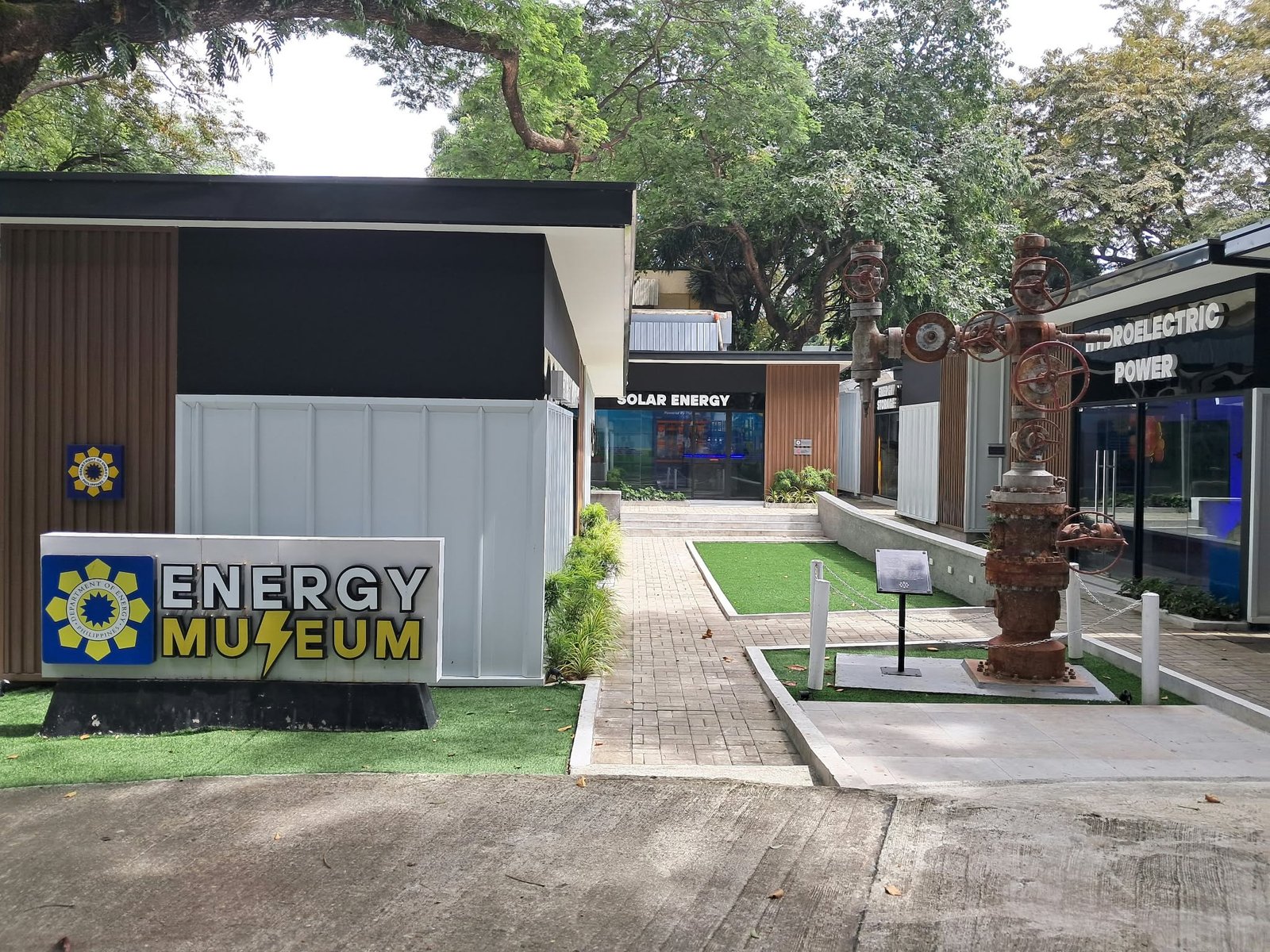
TAGUIG CITY — The Department of Energy (DOE) has opened an Energy Museum designed to educate the public about the Philippines’ energy resources, power systems, industry innovations and transition toward a sustainable energy future.
Inaugurated by President Ferdinand R. Marcos Jr. on July 29, 2026, the museum occupies 1,100 square meters within the DOE compound in Taguig City. It features 11 modular exhibition pods showcasing different aspects of energy, from traditional sources to renewable technologies.
Amy de Guzman, museum curator, said the project was conceived to address the lack of a museum dedicated exclusively to energy, despite its importance to everyday life and national development.
“When you work in the energy sector, there is no museum dedicated to energy,” de Guzman said, noting that existing science and natural history museums typically discuss energy only as part of broader subjects.
She said the project received support from Energy Secretary Sharon S. Garin, which helped bring the museum from concept to completion.
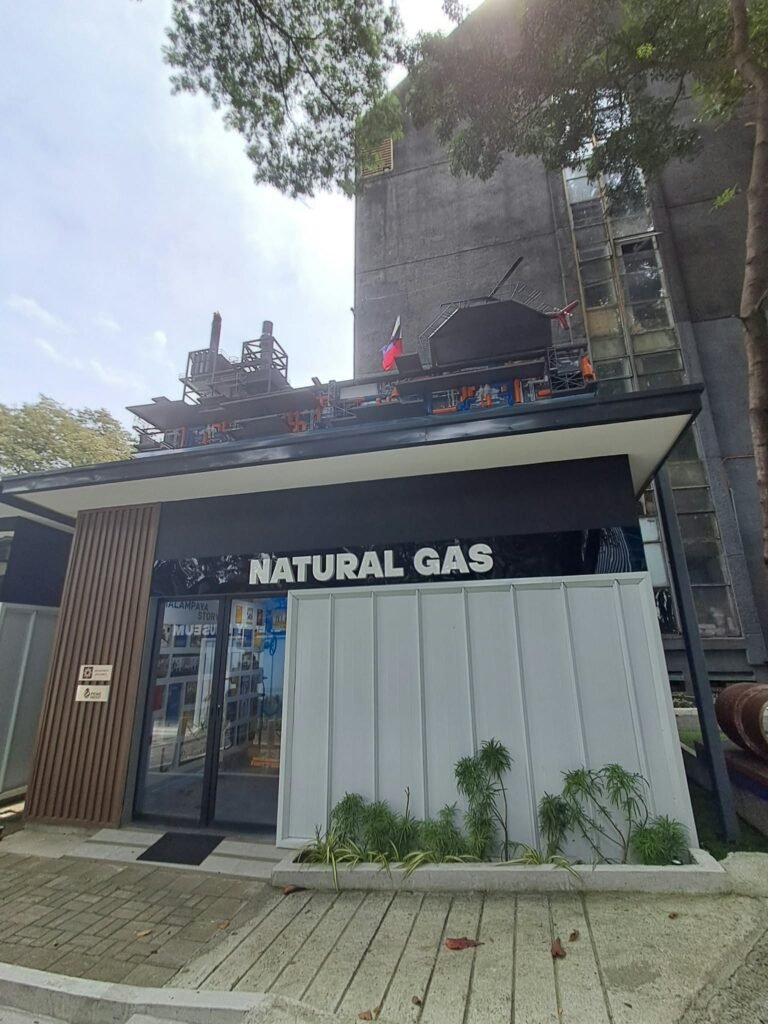
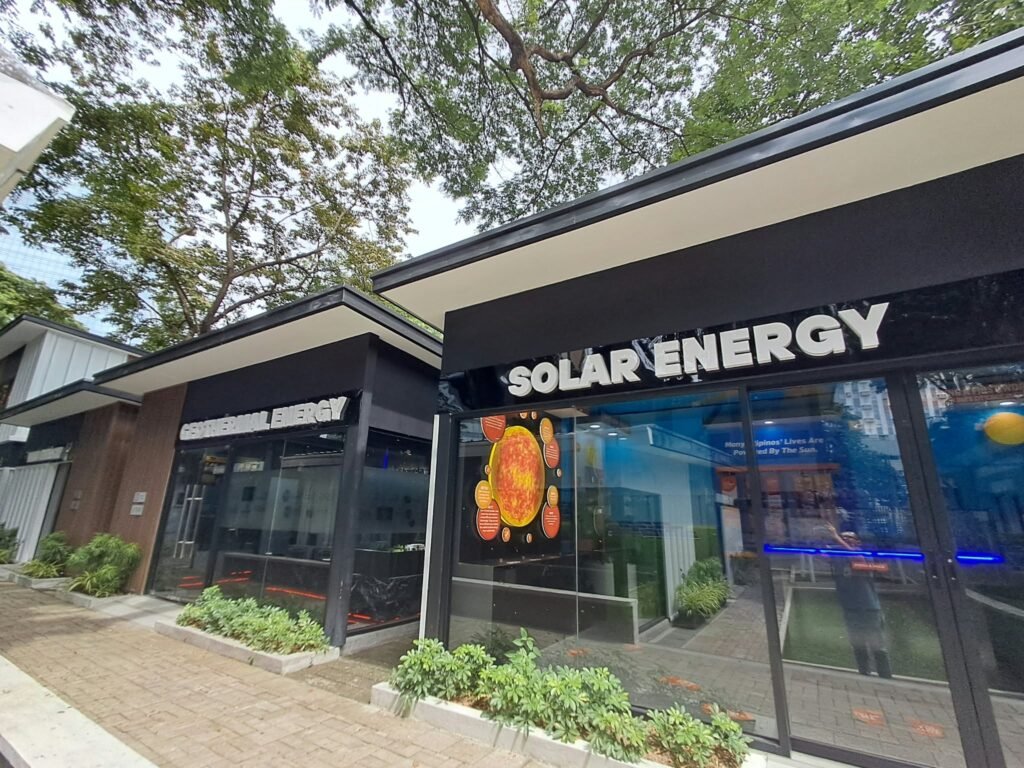
The exhibition space was developed from an underutilized area within the DOE compound. Unlike conventional museums housed in a single building, its 11 modular pods use lightweight steel structures to present different energy-related themes.
Major energy companies and institutions also contributed to the museum, including Citicore Renewable Energy Corp. and AboitizPower, whose participation is recognized as part of the industry’s support for energy education and public awareness.
One of the exhibits highlights Citicore’s renewable energy initiatives, featuring information on its solar power facilities, agrisolar technology and infrastructure innovations. The display explains how solar power can support the country’s energy requirements while promoting sustainable development and community participation.
Citicore’s exhibit also features its agrisolar approach, which integrates solar energy generation with agricultural activities. The presentation illustrates how renewable energy projects can support farming communities while contributing to the country’s clean energy transition.
AboitizPower is likewise among the energy industry partners recognized for supporting the establishment of the museum. Its contribution reflects private-sector participation in promoting public understanding of energy resources, technologies and the country’s evolving power mix.
Among the museum’s other attractions is the Journey of Electricity, which traces how power moves from generation to transmission and distribution before reaching consumers. An interactive Philippine Energy Map also highlights the country’s diverse energy resources.
Visitors can explore scale models of the Malampaya natural gas platform and Angat Dam, along with exhibits on the National Power Corporation’s contributions to dam development and rural electrification.
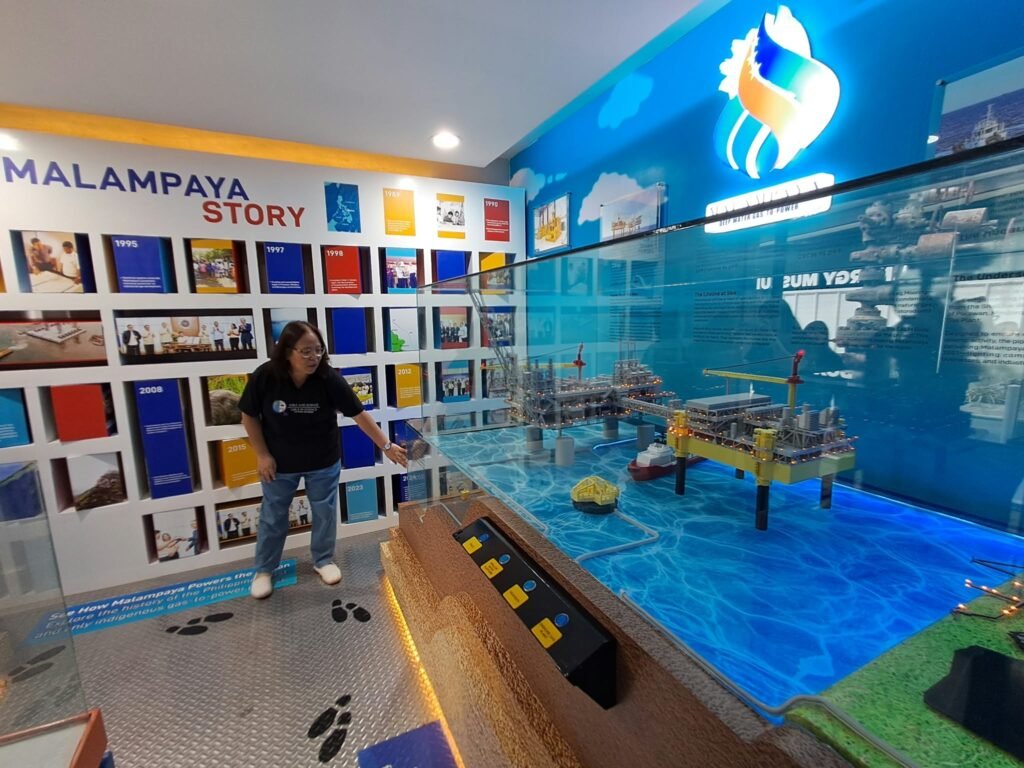
The museum’s energy mix exhibits feature solar, geothermal, wind, hydropower, natural gas, battery energy storage systems and emerging nuclear energy technologies.
A Smart Home and Efficiency Zone demonstrates energy conservation practices and smart home technologies, while the Evolution of Energy and Learning Hub traces humanity’s use of energy, from the control of fire to modern renewable energy systems. The displays also feature scientific instruments used in energy exploration.
The DOE said the museum is intended to serve as a center for education, collaboration and public engagement, helping visitors better understand the country’s energy resources and the technologies shaping its future.
The facility was made possible through the support of First Lady Louise Araneta-Marcos, Secretary Garin, participating energy companies, the National Museum of the Philippines, and DOE officials, employees and partners.