

By: Dante M. Salvaña
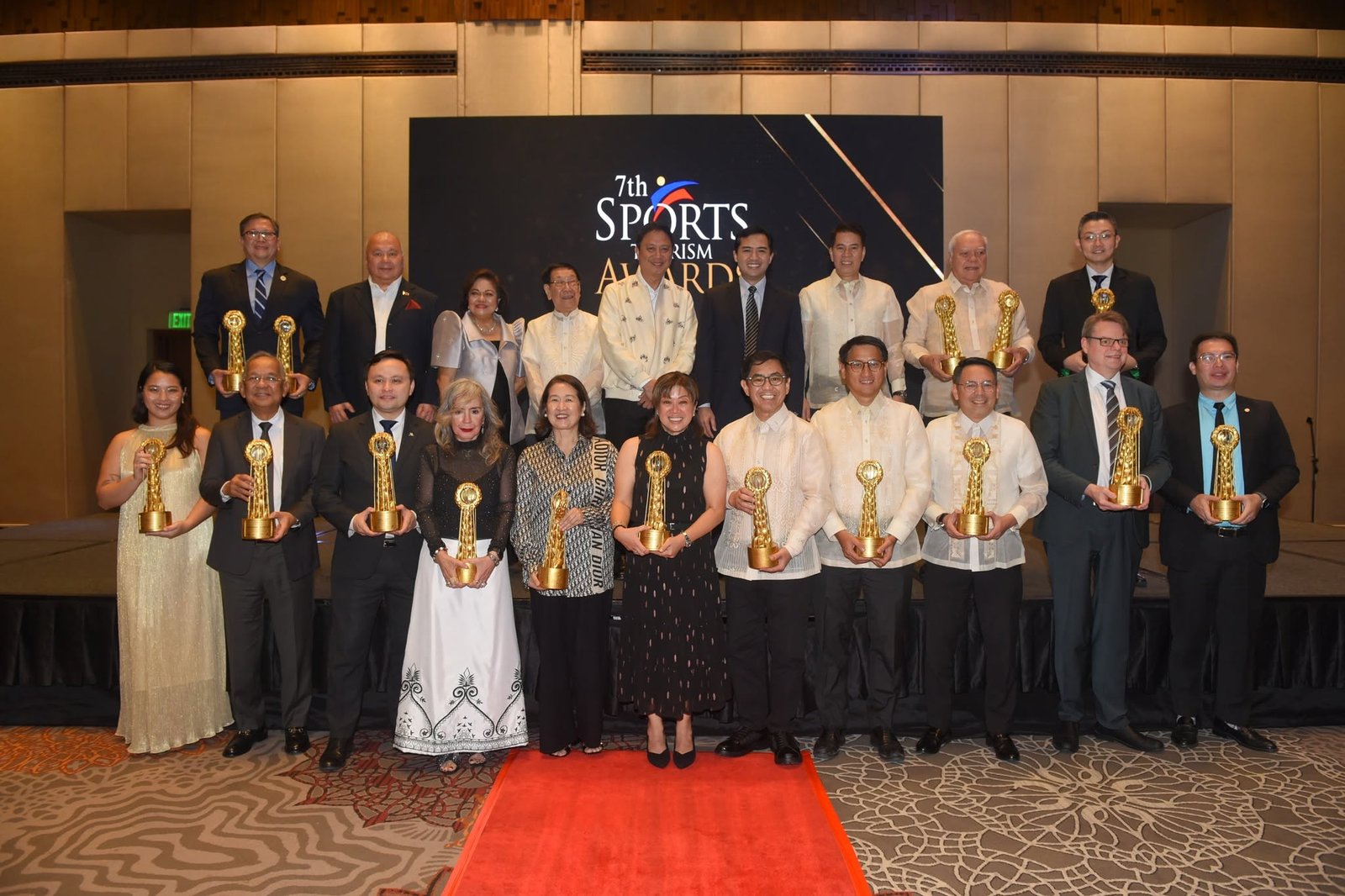
MANILA — The 7th Philippine Sports Tourism Awards highlighted the growing importance of sports tourism as a driver of tourism, business activity and community development, bringing together government officials, sports leaders, tourism stakeholders and industry partners to recognize outstanding contributions to the sector.
Celso “Toots” Jimenez, Executive Director of the Sports Tourism Alliance Inc., welcomed guests and awardees, emphasizing the increasing recognition of sports tourism as an economic driver for communities across the country.
Jimenez said sports tourism, once considered a developing advocacy, has evolved into a significant opportunity for local governments and destinations to generate economic activity while promoting their communities.
He congratulated the awardees for their contributions and said the annual awards recognize organizations and individuals whose initiatives demonstrate the strong potential of sports tourism to support Philippine tourism.

Sports Tourism Alliance Founder and Chairman Charles Lim traced the advocacy to the first Sports Tourism Forum in 2004, which sought to establish sports tourism as an important component of the tourism industry.
Since then, the forum has reached 14 cities, helping destinations identify sports tourism niches such as surfing, triathlon, dragon boat racing, paragliding, whitewater rafting and diving.
Lim said stronger cooperation between sports organizations, event organizers, tourism stakeholders and local governments has improved the country’s capacity to stage sporting events while creating long-term economic and social benefits for host communities.
Sports tourism as an economic driver
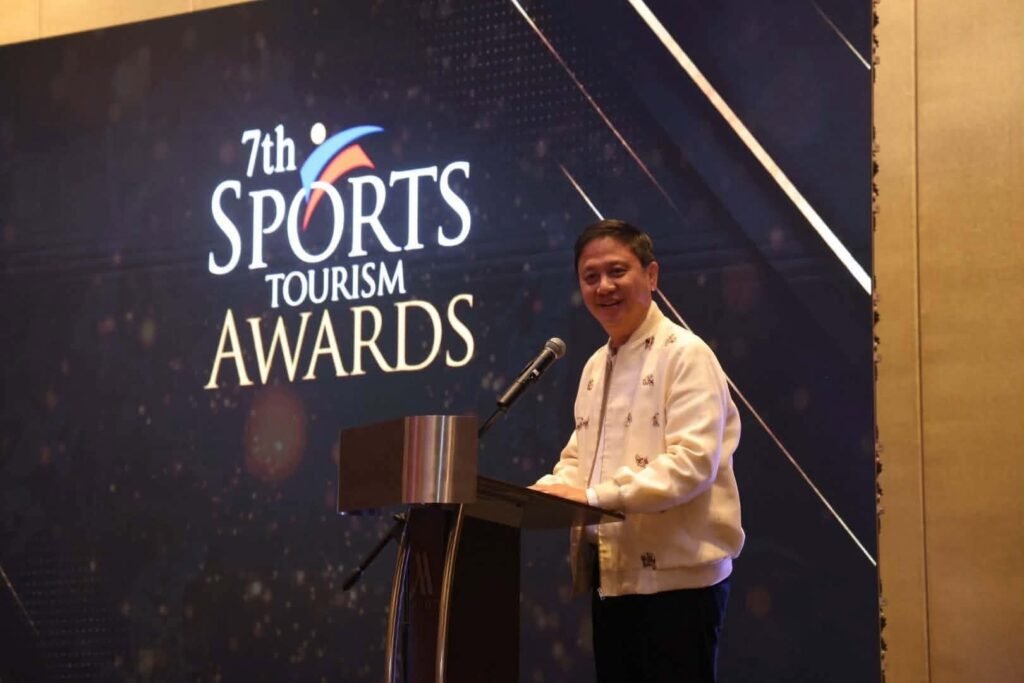
Department of Tourism Undersecretary Shalimar Hofer Tamano said sports have a unique ability to bring people to destinations and generate economic activity beyond the sporting event itself.
“A marathon brings runners to a city. A golf tournament brings players, families, and supporters,” Tamano said, noting that visitors stay in hotels, dine in restaurants, use local transportation and support businesses while exploring host destinations.
He said the Philippines has significant potential for sports tourism, given its islands, coastlines, mountains, trails, golf courses and marine environments, complemented by Filipinos’ strong passion for sports and communities that welcome visitors.
The DOT, he added, is working to develop programs and partnerships that connect sporting events with destination promotion, including initiatives that use running events to showcase local landmarks and communities.
PSC cites international events
Philippine Sports Commission Chairman Pato Gregorio highlighted the growing number of international sporting events being hosted by the Philippines and their potential to generate tourism revenues and global exposure.
Gregorio cited the WTA 125 tennis tournament in Rizal, the World Surf League event in Siargao from October 31 to November 10, 2026, and the Tour of Luzon, which has attracted foreign teams and generated significant international viewership.
He also pointed to the country’s growing calendar of international competitions, including the 2027 Asian Women’s Basketball Championship in Cebu, the 2029 World Women’s Volleyball Championship, international sepak takraw events, gymnastics and karate competitions.
A recent youth karate competition, he said, brought around 3,000 athletes from 90 countries to the Philippines. Many of these athletes traveled with parents and other family members, creating a multiplier effect for tourism establishments and local businesses.
Gregorio said the government is strengthening sports tourism through partnerships involving the PSC, DOT and other agencies, noting that more than 30 international sports tourism events are expected in the Philippines in 2026.
Clark sees sports tourism opportunity
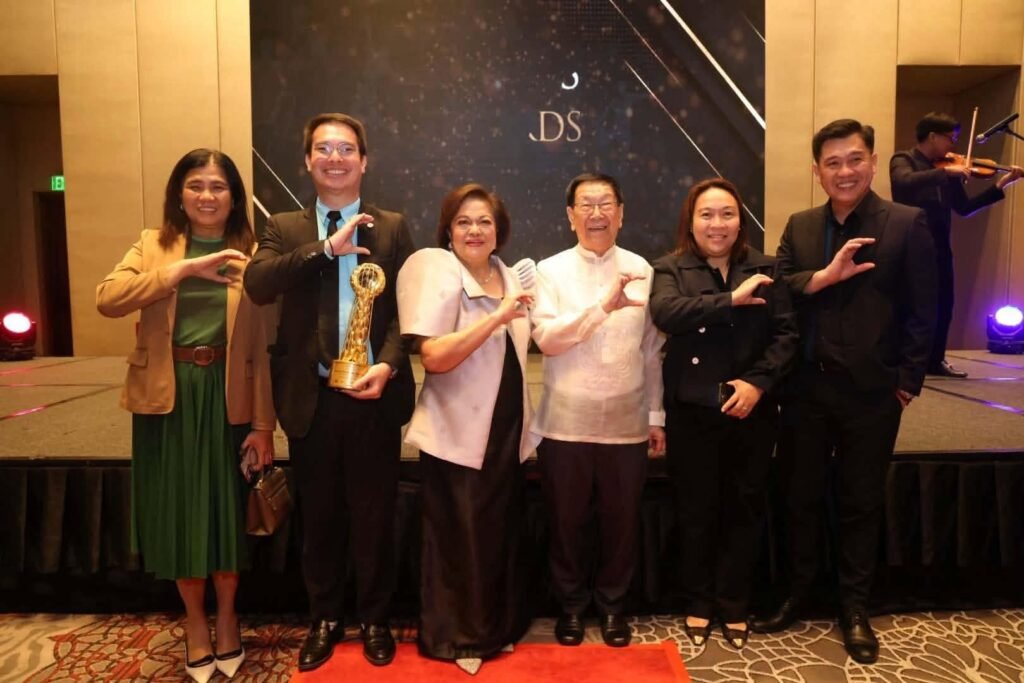
Clark Development Corporation President and CEO Atty. Agnes VST Devanadera said sports tourism has evolved into an effective strategy for promoting destinations nationwide.
Devanadera noted that sporting events can attract visitors who come not only to compete but also to experience the host destination, bringing family members and supporters who contribute to the local economy.
She cited New Clark City as an example of the country’s investment in world-class sports infrastructure and said the growing number of sporting events demonstrates that sports and tourism can work together to create wider economic opportunities.
Building a lasting legacy
Lim said the sports tourism movement has already produced significant legacies, citing the 2023 FIBA Basketball World Cup and international Ironman competitions as examples.
The FIBA World Cup demonstrated the Philippines’ capacity to host major global sporting events, including a game at the Philippine Arena that drew more than 31,000 spectators.
The awards night also recognized prominent personalities supporting sports tourism, including Philippine Retirement Authority Chairman and CEO Sibong S. Sotobrano, BCDA Vice President Kenneth Marata, former DOT Undersecretary Cynthia Carrion, and Thibault Bengtson, Vice President of the Sports Tourism Alliance and former DOT undersecretary.
Lim also announced plans for the first Asian Sports Tourism Congress and Expo, which aims to bring together sports and tourism stakeholders from across Asia to strengthen regional cooperation and develop new opportunities for the industry.
The 7th Philippine Sports Tourism Awards underscored the industry’s growing role in attracting visitors, supporting local businesses, promoting destinations and developing grassroots sports—positioning sports tourism as an increasingly important component of the Philippine tourism economy.