

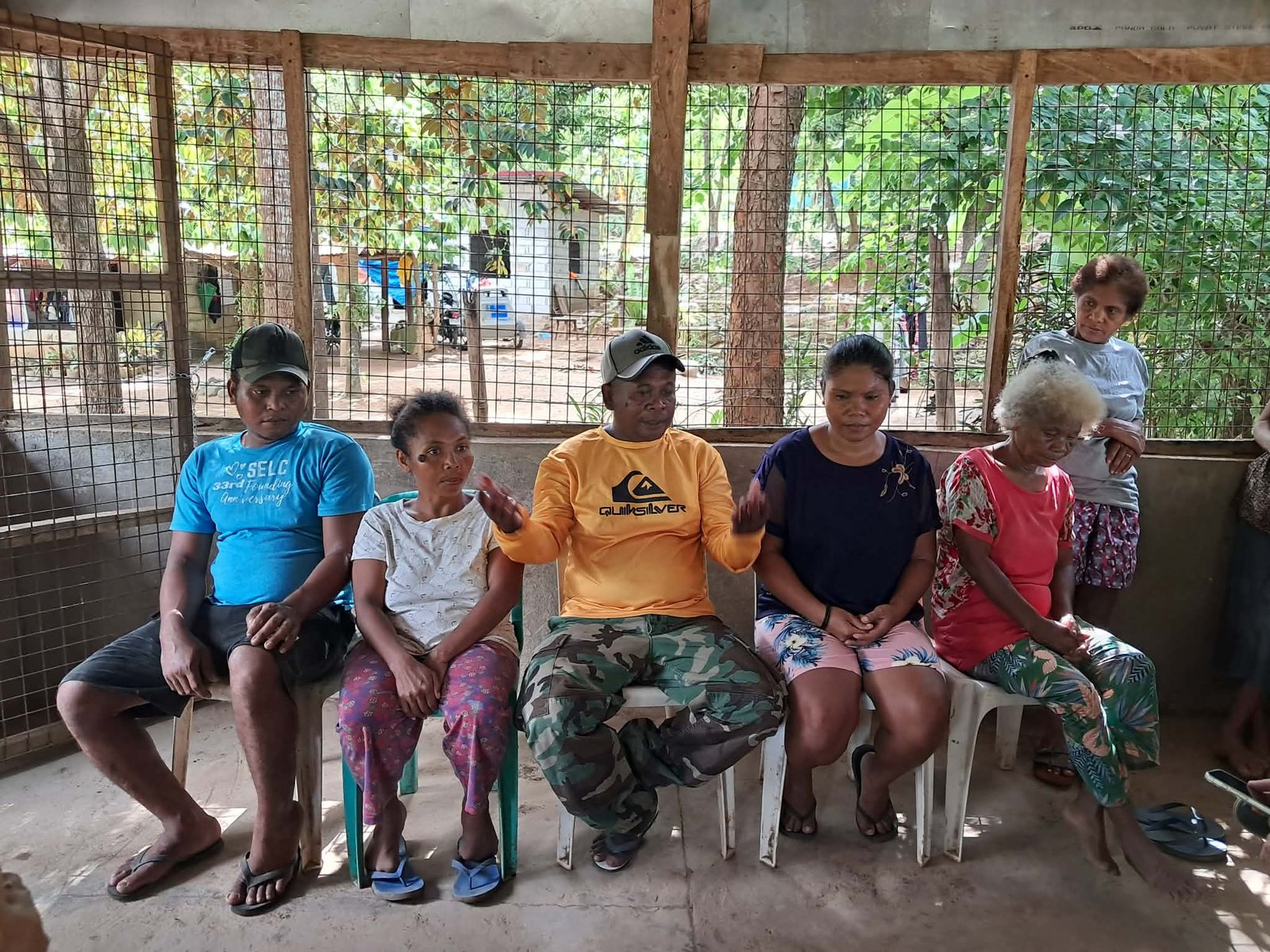
SUBIC, Zambales — Leaders of the Ambala indigenous community and Barangay Naugsol have defended on Sunday July 19, the establishment of a temporary waste disposal site in Sitio Tibag Naugsol, Subic Zambales.
They stressed the arrangement was made during the COVID-19 pandemic only as an emergency measure after consultations with landowners, tribal elders and local officials.
Ambala Chieftain Francis Santos in Naugsol, said the indigenous community agreed in 2020 to the temporary use of a portion of land for waste disposal after discussions with tribal elders and the local government of Subic, describing the decision as a humanitarian response to the restrictions imposed during the height of the pandemic.
Santos said the community understood the local government’s difficulty in transporting municipal waste to accredited disposal facilities outside Zambales because travel restrictions were in effect. According to him, the arrangement was intended only for the duration of the public health emergency and was never envisioned as a permanent dumpsite.
Supporting the tribe’s account, Naugsol Barangay Captain Jonnel Serrano said the Subic municipal government approached the barangay in March 2020 to seek a temporary location for garbage disposal after hauling waste to facilities in Pampanga and Bataan became impossible due to pandemic restrictions.
Serrano said consultations were conducted with the Tenoria family, which occupied the property, as well as with the Ambala tribal community because the area falls within their ancestral domain. According to him, both the landholders and the tribal leaders agreed to the temporary arrangement after discussions with the community.
“The request was only temporary because of the pandemic,” Serrano said, adding that the emergency measure began on March 20, 2020, when movement restrictions prevented garbage trucks from traveling outside the province.
According to Serrano, the Department of Environment and Natural Resources (DENR) later issued a closure order for the site after determining that it was operating as an illegal dumpsite. He said the area has not been used since the closure and guards were assigned to prevent further dumping while rehabilitation efforts were undertaken.
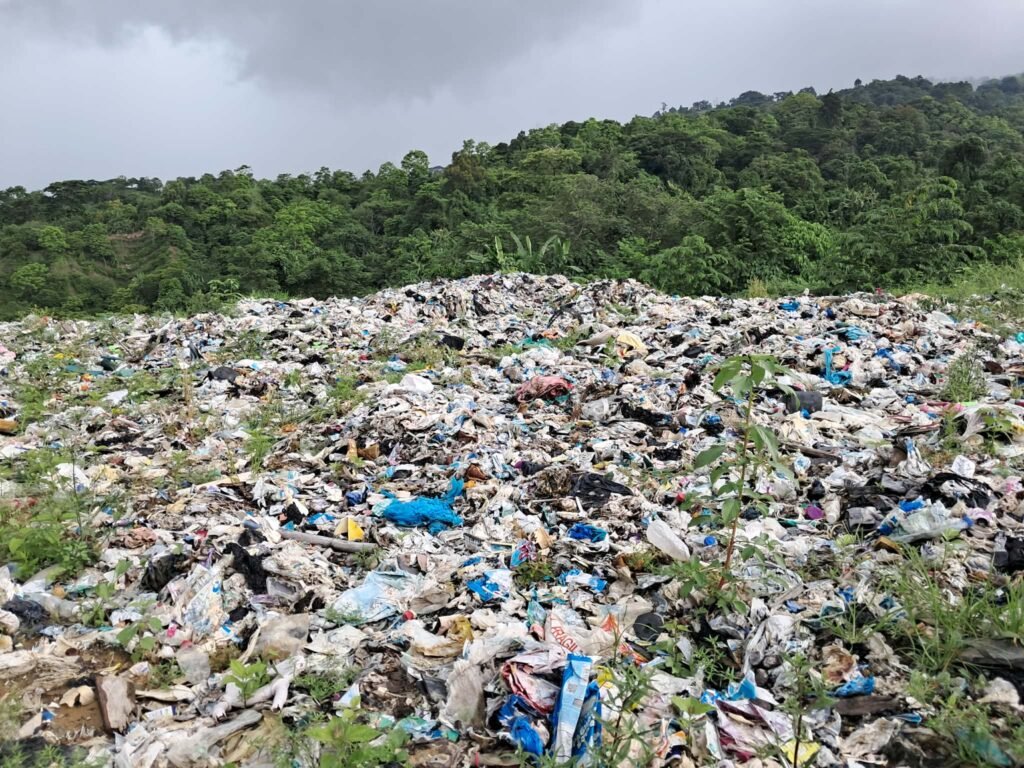
Santos likewise said the disposal area has already been closed. He added that the tribe hopes the site can be fully rehabilitated and restored for agricultural use, including the planting of mango and other trees.
On environmental concerns, Santos disputed claims that nearby indigenous communities have suffered direct impacts from the temporary disposal site. He said the nearest settlements are located more than a kilometer away and that residents have not experienced foul odors or contamination of their main water sources, maintaining that the rivers used by the community are separate from the dumpsite area. He added that, to his knowledge, the arrangement was made in good faith during the public health emergency.
Both Santos and Serrano expressed concern over public narratives surrounding the issue, saying the recognized tribal leadership and barangay officials were not adequately consulted before certain interviews and reports were released. They called for dialogue among all stakeholders to ensure that the concerns of indigenous peoples, local residents and government agencies are fairly represented.
The tribal leaders reiterated that future decisions involving ancestral lands should continue to undergo consultation with indigenous elders and recognized community officials while complying with environmental laws and government regulations. They also welcomed further discussions with the DENR, the National Commission on Indigenous Peoples (NCIP), and the local government to address remaining issues and support the rehabilitation of the former disposal site.