

By: Dante M. Salvaña
SUBIC BAY FREEPORT — Tourism leaders across Luzon are pushing for greater use of digital technology, real-time data and integrated planning to make destinations more competitive, resilient and sustainable.
The call was made during the 1st Luzon Sustainable Tourism Summit held on September 10, 2026, at the Subic Bay Exhibition and Convention Center, under the theme “Innovate, Integrate, Inspire: Redesigning Sustainable and Resilient Tourism Through Digitalization.”
The summit expanded from the Central Luzon Sustainable Tourism Summit into a Luzon-wide platform, bringing together national government agencies, local governments, tourism enterprises, academe and other industry stakeholders.
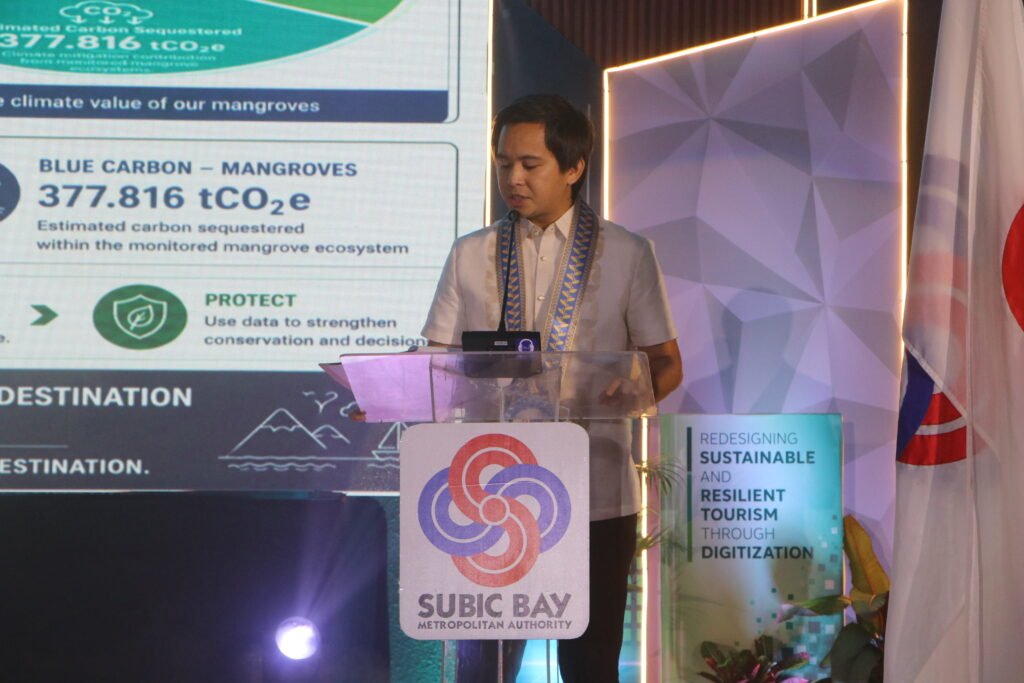
In his welcome remarks, SBMA Director Rafael Migol P. Marcelo said the expansion of the summit reflected the need for tourism stakeholders across Luzon to work together in protecting natural resources while pursuing economic growth.
“It is deeply gratifying to see this event, which began as the Central Luzon Sustainable Tourism Summit, expand its reach to encompass the entire island of Luzon,” Marcelo said.
He said sustainable tourism should help drive economic growth, strengthen environmental protection, uplift communities and safeguard the region’s cultural heritage.
For the Subic Bay Metropolitan Authority (SBMA), Marcelo said environmental stewardship remains central to its development strategy as it pursues its goal of becoming the country’s first green port city and targets net-zero carbon emissions by 2030.
He said SBMA’s carbon-neutrality program involves carbon accounting, stakeholder engagement, green procurement, energy efficiency, waste recovery and renewable energy initiatives, including Project Sealow, which seeks to unlock freeport rooftops for clean-energy generation.
SBMA’s Ridge Reef Blue and Green Carbon Conservation Program was also selected as a 2026 finalist in the World Forest Sustainability Program under the Environmental Care category, highlighting the role of forest and mangrove conservation in strengthening the resilience of the Freeport.
Marcelo warned, however, that tourism growth must be managed responsibly amid environmental degradation, inadequate waste management, fragmented governance, gaps in green infrastructure and the increasing threats posed by climate change.
“Let this summit serve as a powerful call to action for every destination in Luzon to embed climate-resilient, sustainable practices into daily operations,” he said.
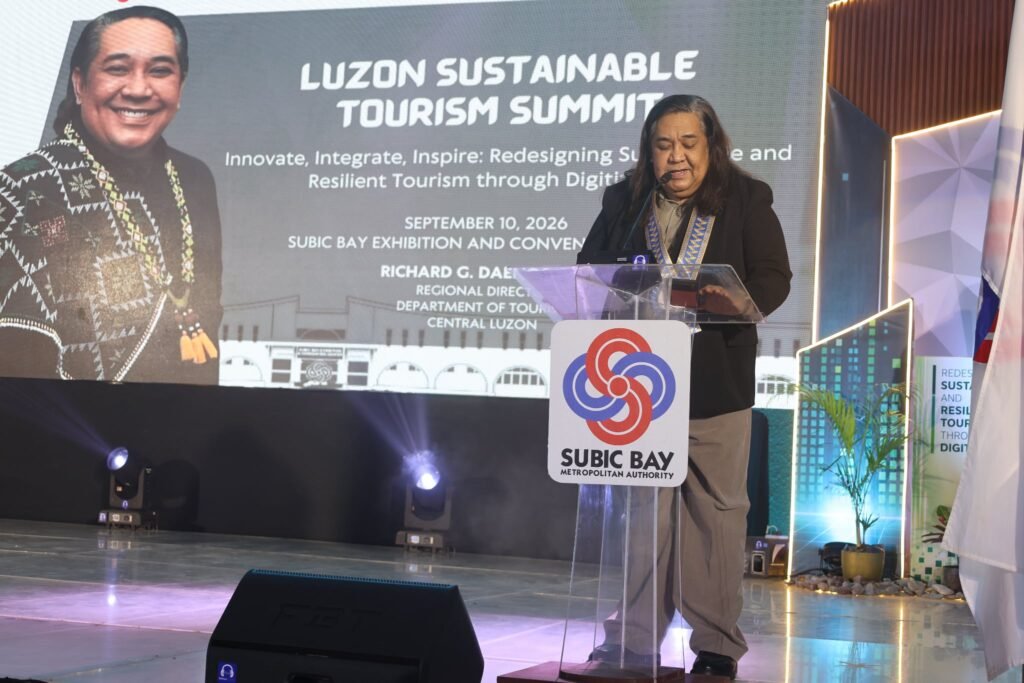
DOT Region III Regional Director Richard Daenos said digitalization should not merely make tourism transactions faster but should help destinations make smarter decisions.
He cited the potential of artificial intelligence, geographic information systems, mobile technologies and integrated platforms to monitor visitor movements, manage carrying capacity, improve accessibility, prepare for disasters and expand market access for small tourism enterprises.
“The future of sustainable and resilient tourism will be defined by how intelligently we use technology—to protect places, empower people and create better experiences,” Daenos said.
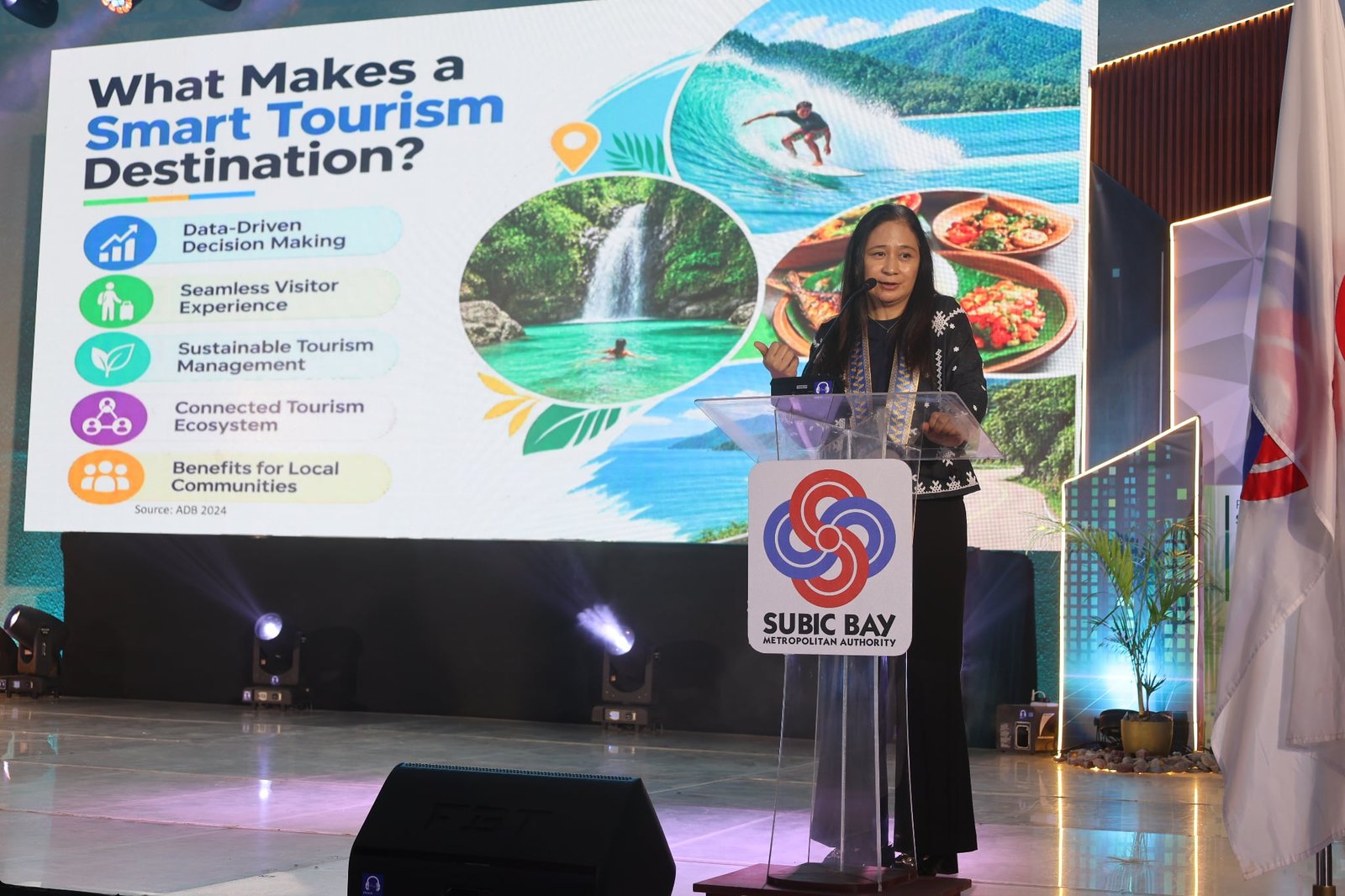
The summit featured discussions on data-driven destination management, photogrammetry for cultural preservation, and green destination planning. Dr. Maria Cherry Lyn “Twinkle” Rodolfo, a Board of Directors member of the Asian Institute of Management, discussed smart destination management through real-time analytics; Alex Santos, owner of Philippine Technical Divers, presented the use of photogrammetry in cultural preservation; and Ar. Michaela Rosette Santos-Tayag, director of the Green Certification System of the Philippine Green Building Initiative, tackled the integration of tourism, urban planning and environmental sustainability.
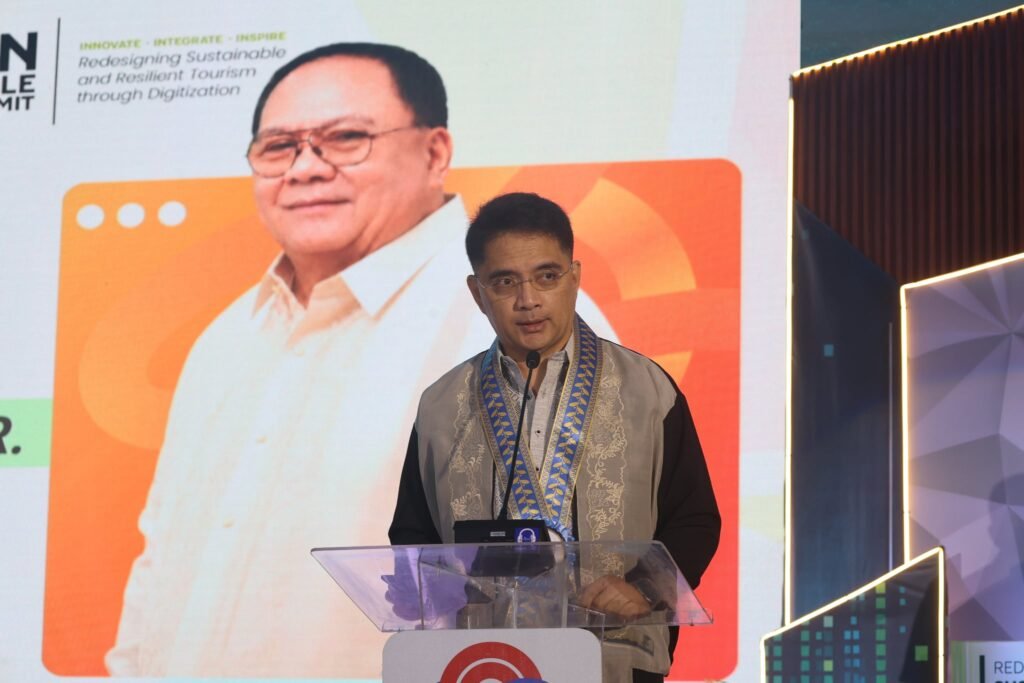
In a message delivered on his behalf by Board Member Rundstedt Ebdane, Zambales Gov. Hermogenes E. Ebdane Jr. expressed the province’s full support for the summit, describing its theme as timely as tourism destinations confront the pressures of climate change, rapid development and changing visitor expectations.
Ebdane said tourism development must be inclusive, sustainable, resilient and responsible, emphasizing that technology alone cannot guarantee successful transformation.
“The future of Philippine tourism will depend on how well we work together,” Ebdane said in his message.
He pointed out that destinations across Luzon are interconnected through roads, airports, seaports, natural resources, cultural heritage, investments and communities, making regional cooperation essential to sustainable tourism development.
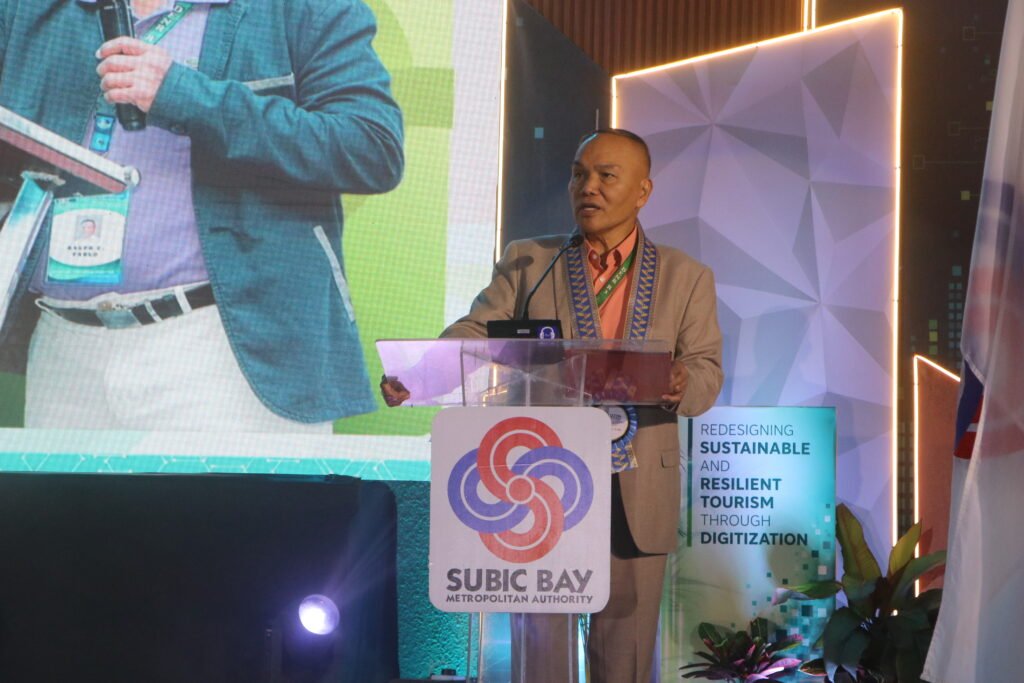
DENR Region III Regional Director Ralph Pablo likewise called for tourism to become a force for regeneration, resilience and sustainability.
Pablo said destinations should be viewed not merely as tourist attractions but as living ecosystems, cultural heritage and communities’ homes.
He emphasized the importance of regenerative ecotourism and digitalization in restoring degraded landscapes, strengthening livelihoods and creating new opportunities for communities, particularly fisherfolk, Indigenous peoples, entrepreneurs and the youth.
“Let this summit be a commitment that government, industry, academia, and communities will innovate boldly, integrate wisely, and inspire endlessly,” Pablo said.
The summit underscored the need to move from isolated tourism projects to integrated destination-management systems, with data and technology supporting investment decisions, environmental protection, visitor management and disaster preparedness.
As Marcelo put it, the challenge is to pursue “one freeport, one climate strategy, one future”—a model that can also guide broader efforts to make Luzon’s tourism industry more sustainable and resilient.