

SUBIC BAY FREEPORT — The Department of Labor and Employment (DOLE), through its Bureau of Local Employment (BLE), is strengthening the country’s investment competitiveness by streamlining the processing of Alien Employment Permits (AEP), a move expected to improve regulatory efficiency for businesses operating in economic zones while maintaining safeguards for Filipino workers.
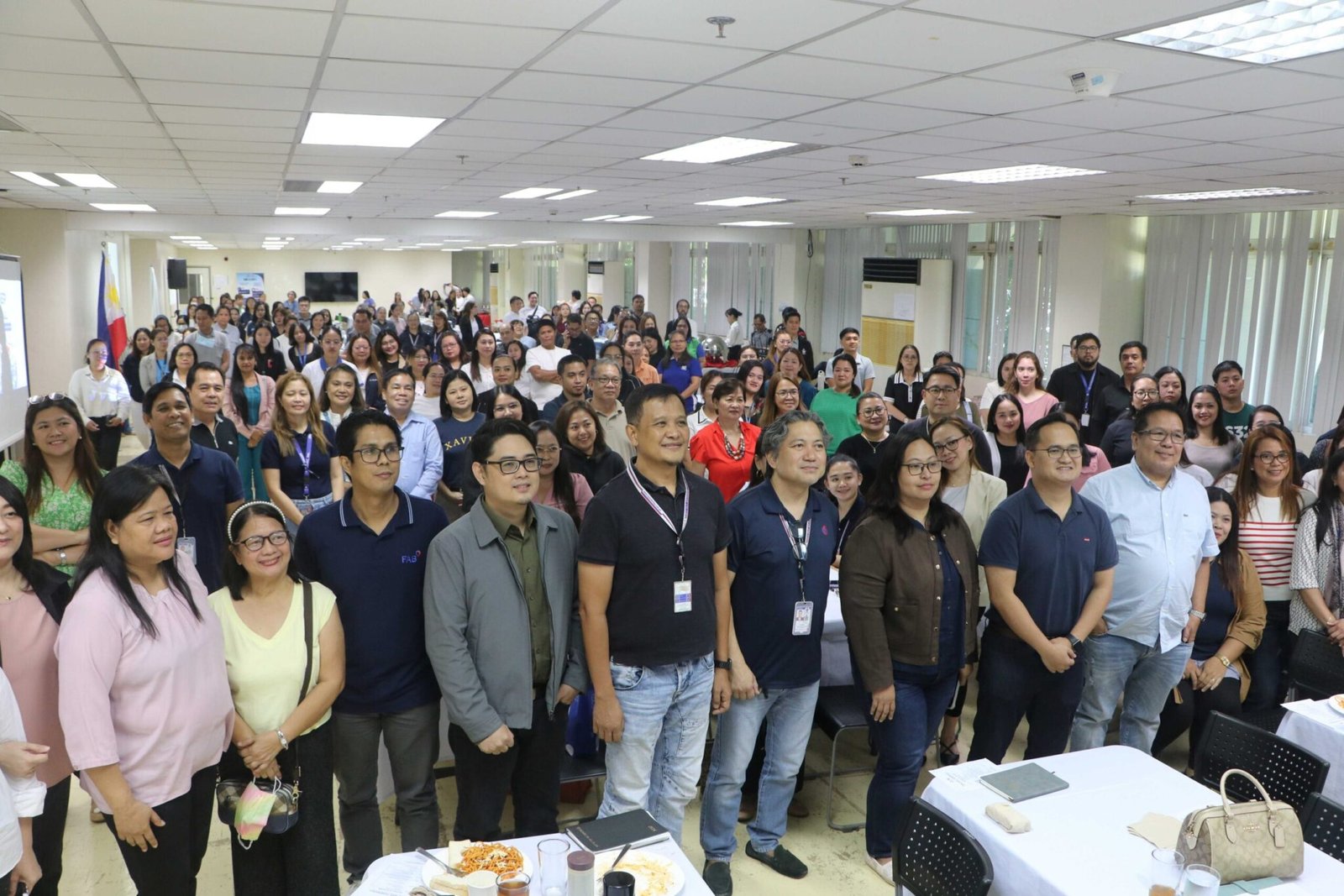
The initiative was highlighted during the ONE AEP Town Hall Meeting held on July 16 at the Subic Bay Exhibition and Convention Center, where the DOLE Bureau of Local Employment, led by Director Patrick P. Patriwirawan Jr., gathered employers, investors, human resource practitioners, business chambers, and government partners from the Subic Bay Metropolitan Authority (SBMA) and the Authority of the Freeport Area of Bataan (AFAB).
The forum served as a platform to discuss recent policy reforms and digital innovations designed to make the AEP application process faster, more transparent, and more predictable for enterprises employing foreign professionals in key sectors such as manufacturing, construction, hospitality, logistics, and business process outsourcing.
Addressing stakeholders, Director Patriwirawan said the Bureau of Local Employment is committed to ensuring that the country’s alien employment permit system remains efficient, well-coordinated, and responsive to the needs of both investors and the labor sector.
“Our primary goal is to ensure that the process stays smooth, orderly, and well-coordinated. The participation of our stakeholders is vital as we continue improving the system to better support economic growth while protecting employment opportunities for Filipino workers,” he said.
DOLE presented the implementation of Administrative Order No. 199 and Department Order No. 248, Series of 2026, which place the administration of Alien Employment Permit applications under the Bureau of Local Employment. The reforms seek to standardize procedures nationwide, improve accountability, and shorten processing time through centralized and digitalized systems.
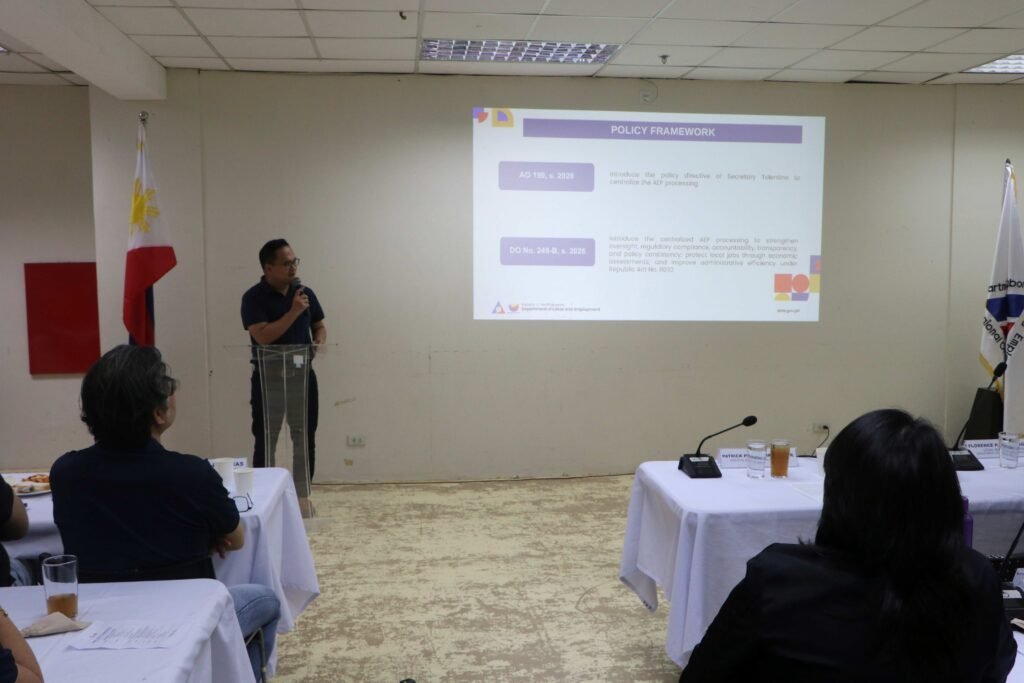
According to DOLE, the updated framework is intended to reduce administrative complexity for businesses without compromising regulatory oversight. The department emphasized that clearer guidelines and harmonized procedures will help investors comply with labor regulations while facilitating the entry of foreign professionals whose specialized expertise supports business expansion and technology transfer.
Representing SBMA, Acting Deputy Administrator for Legal Affairs and Labor Department Manager Atty. Melvin Varias said efficient government services remain a critical factor in attracting and retaining investments within the country’s premier economic zones.
“This gathering reflects our collective commitment to making the Alien Employment Permit process more efficient, transparent, and responsive to the needs of both employers and foreign nationals who contribute to our economic growth,” Varias said.
He added that the close collaboration among DOLE, SBMA, and AFAB demonstrates the government’s commitment to balancing ease of doing business with the protection of the Filipino workforce.
“As we continue to attract investments and generate employment opportunities in our Freeport zones, government agencies must continue working together to simplify processes while ensuring that our laws are fairly and consistently implemented,” he said.
For its part, AFAB expressed support for the harmonized AEP framework, saying closer coordination among investment promotion agencies will enhance regulatory efficiency and improve the country’s competitiveness as an investment destination.
AFAB Community Affairs Officer Mark Lester Quinta said streamlined government processes help create a more predictable business environment while ensuring quality public service for investors and workers alike.
DOLE reiterated that the AEP system remains anchored on the constitutional policy of giving preference to qualified Filipino workers, with foreign nationals allowed employment only when the required skills or expertise are unavailable in the domestic labor market. The department also encouraged companies to strengthen technology transfer, understudy programs, and workforce development initiatives to prepare more Filipinos for highly skilled and leadership positions.
The town hall concluded with an open dialogue between stakeholders and DOLE technical experts, allowing participants to raise concerns on compliance requirements, permit processing, and digital innovations under the government’s continuing labor administration reforms.
The initiative forms part of the Marcos administration’s broader efforts to improve the ease of doing business, modernize public service delivery, and position Philippine economic zones as globally competitive destinations for responsible and sustainable investments.