

SUBIC, Zambales — The National Institute for Transparency and Accountability (NITA) has concluded that there is no sufficient basis to unfairly blame the Subic local government, a private landowner, or the Ayta Ambala Council over the use of a former temporary garbage-disposal site in Barangay Naugsol during the COVID-19 pandemic.
The findings were contained in a formal investigation and assessment conducted by NITA after an on-site inspection, consultations with stakeholders, and interviews with community members.
According to the organization, the site served as a temporary emergency waste-disposal area while the municipality addressed garbage-collection challenges brought about by pandemic restrictions. NITA said available information indicated that the arrangement ended in 2022 after the municipality secured access to another disposal facility.
NITA Executive Director and spokesperson Carlos Ayala said the investigation found that the municipality acted under emergency conditions to prevent a larger sanitation and public-health problem.
“The local government acted because it had a duty to address an urgent public-service problem. It sought an immediate solution during an unprecedented emergency and obtained the cooperation of the parties concerned,” Ayala said.
The report said the municipality obtained the consent of private landowner Jose Tenoria, who reportedly allowed a portion of his property to be used temporarily without asking for rent, compensation, or other benefits.
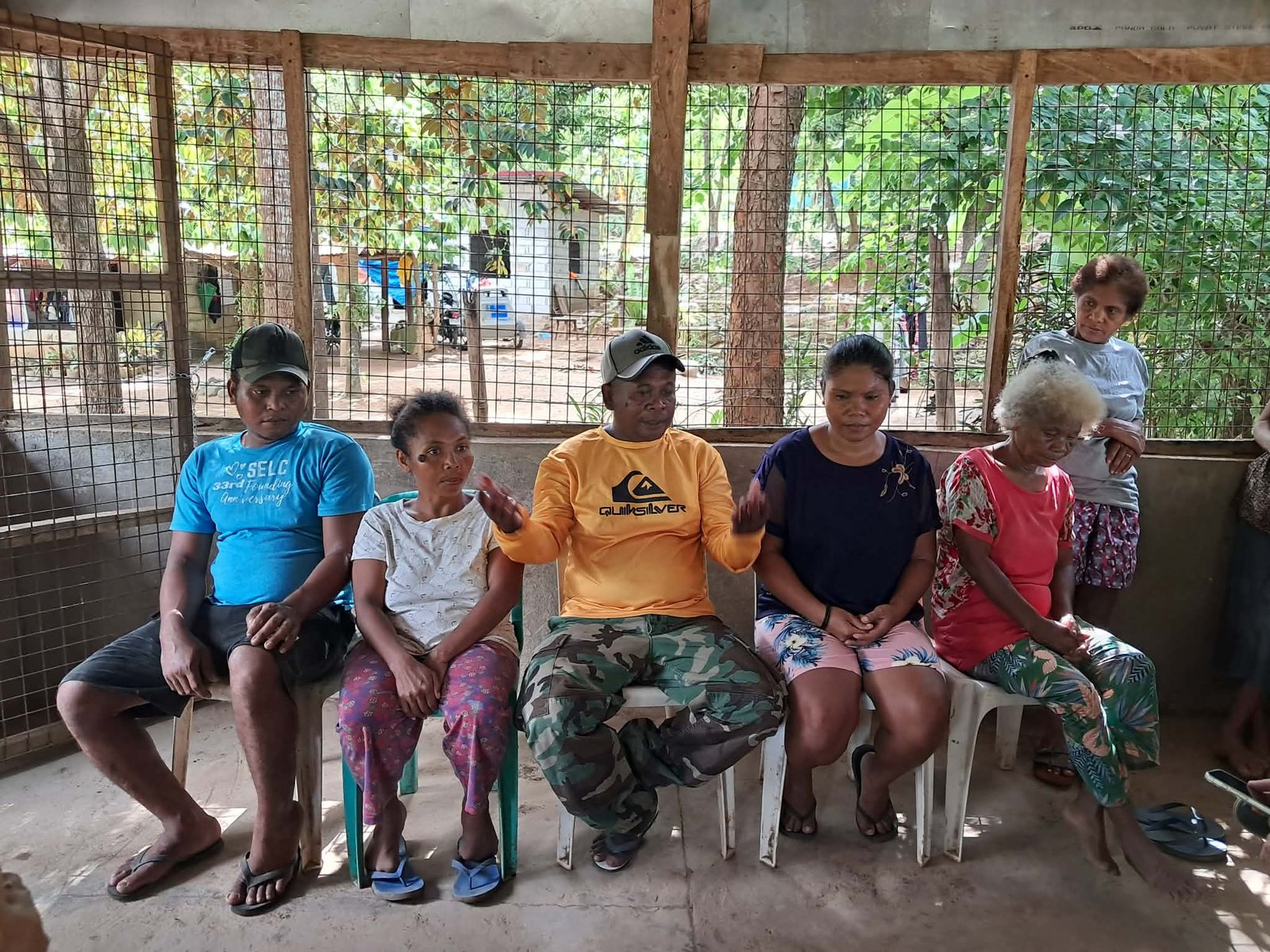
NITA also said the Ayta Ambala Council approved the temporary arrangement without seeking payment. Tribal leaders and community members told investigators they viewed the decision as a way of supporting a local government that had consistently provided assistance to their community.
According to the organization, the available information did not support portraying the actions of the local government, the landowner, or the Indigenous community as acts of bad faith or deliberate exploitation.
Instead, NITA said the circumstances should be understood within the context of the COVID-19 pandemic, when local governments across the country were under pressure to maintain essential public services while facing operational restrictions.
During its inspection, NITA reported that the former disposal area no longer appeared to function as an active dumpsite. Investigators observed scattered solid waste but said they did not detect the strong foul odor commonly associated with active open dumping operations.
The organization noted, however, that visual observations alone could not determine the site’s environmental condition and recommended scientific testing of soil, groundwater, and surface water as part of any rehabilitation effort.
Residents interviewed by the NITA team reportedly did not identify widespread health problems that they directly associated with the former disposal site. Several community members also affirmed that the Ayta Ambala Council had participated in approving the temporary arrangement during the pandemic.
Following the investigation, NITA said it communicated with the Subic local government and other concerned offices regarding the remaining waste and the need for rehabilitation. According to the organization, local officials expressed their willingness to cooperate with the landowner, the Ayta Ambala Council, and relevant government agencies in restoring the area.
NITA recommended that national government agencies provide technical assistance for the site’s rehabilitation, including environmental assessment, waste characterization, soil and water testing, stabilization of the affected area, and long-term monitoring.
“The fair and responsible course is to rehabilitate the area, protect the community, and preserve cooperation among the local government, the landowner, and the Indigenous people,” Ayala said. “Accountability should lead to restoration—not political blame.”
The organization emphasized that its report represents an institutional assessment based on its inspection and consultations and does not replace any technical environmental investigation, regulatory proceeding, or judicial determination that may be undertaken by the appropriate government authorities.