

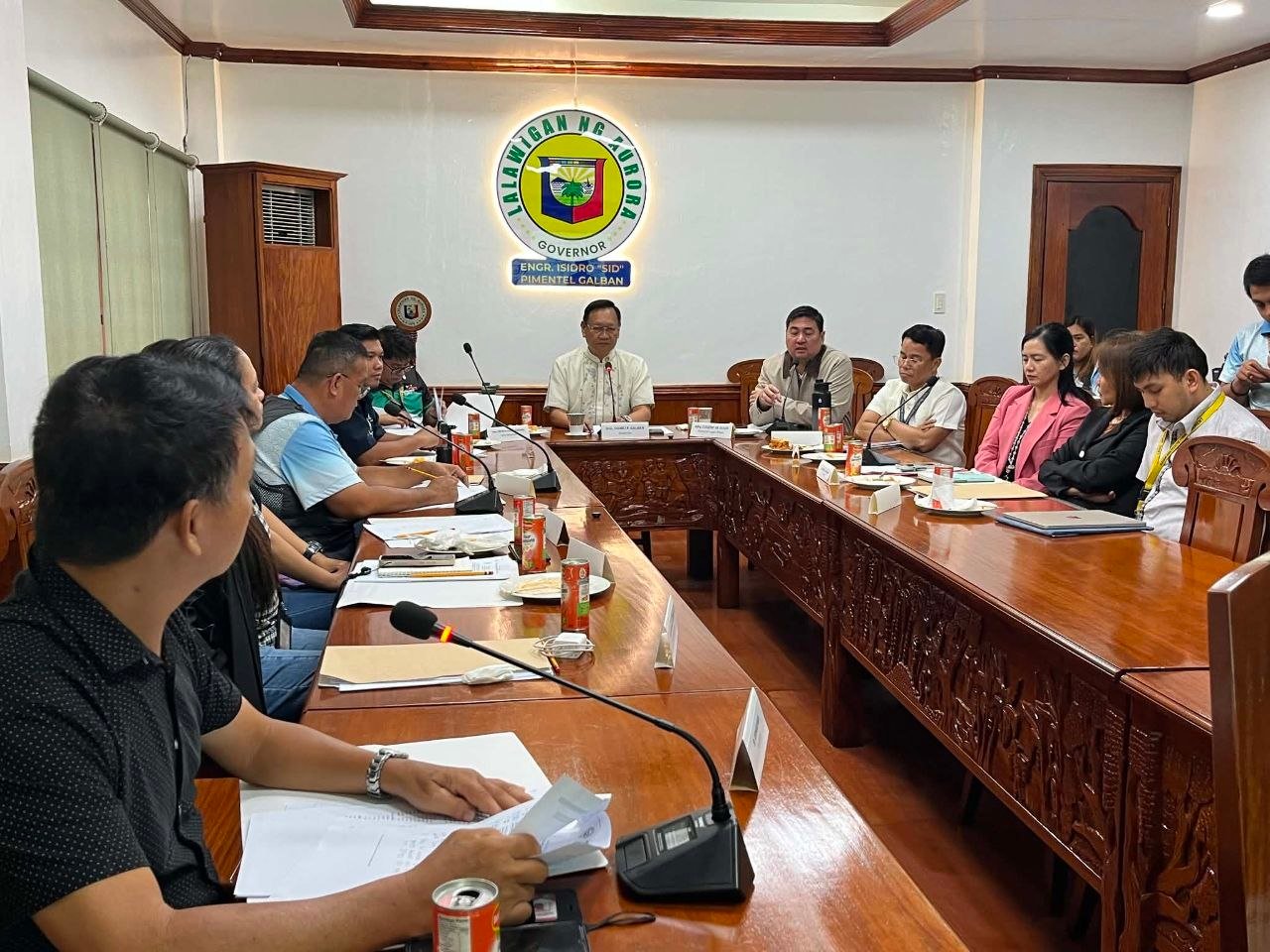
BALER, Aurora — Vice Governor Patrick Alexis Angara discusses Provincial Ordinance No. 646, or the Open Government Partnership (OGP) Ordinance of the Province of Aurora, during a press conference at the Governor’s Conference Hall, Provincial Capitol Building, Barangay Suklayin, Baler, Aurora, on Thursday, Aug. 13, 2026.
BALER, Aurora — The Provincial Government of Aurora has institutionalized an open government framework through Provincial Ordinance No. 646, or the Open Government Partnership (OGP) Ordinance of the Province of Aurora, approved on July 7, 2026.
Aurora Vice Governor Patrick Alexis Angara presented the ordinance during a press conference on August 13 at the Governor’s Conference Hall of the Aurora Provincial Capitol, highlighting measures to promote greater transparency, accountability, citizen participation, and digital governance.
Angara said the ordinance is anchored on the principles of the global Open Government Partnership, which promotes collaboration between government and civil society in advancing transparent, accountable, and responsive governance.
“In simple terms, Open Government Partnership means that government and citizens work together as equal partners—making public decisions completely transparent, accountable, and responsive to every citizen,” Angara said.
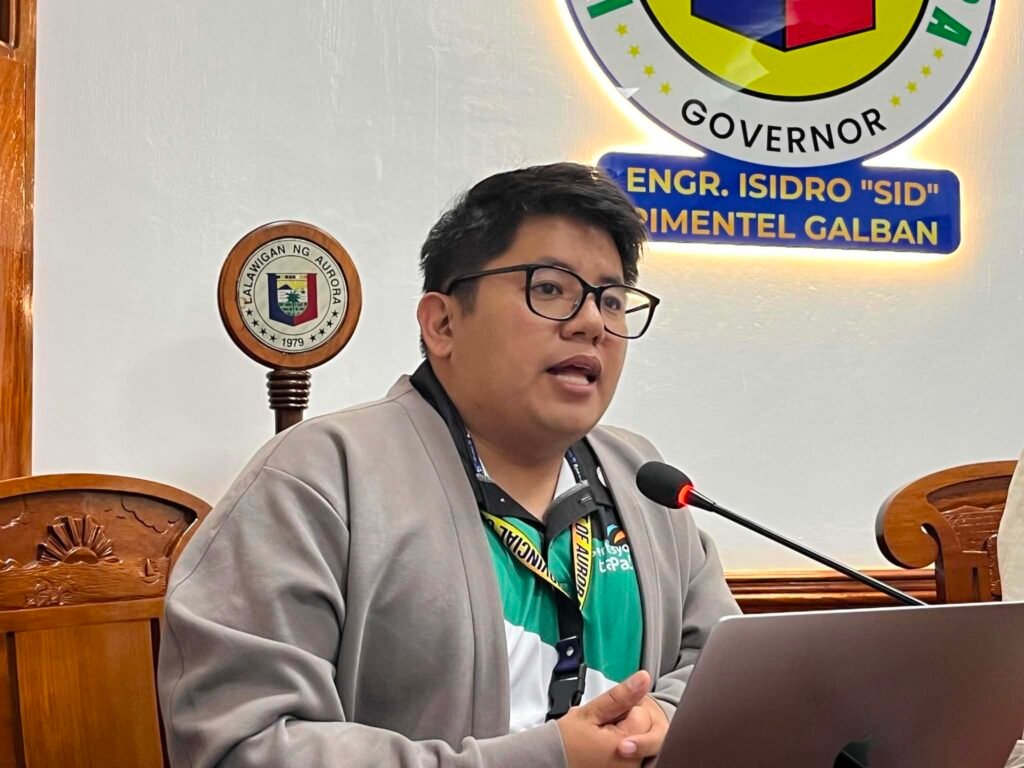
According to Angara, Aurora is the first province in the Philippines to enact a binding local OGP ordinance, citing information from the Department of the Interior and Local Government.
Transparency Across Government Operations
The ordinance integrates open government principles across the provincial governance cycle, including development planning, budgeting, legislation, procurement, project implementation, and monitoring.
It requires the proactive disclosure of government information, including budgets, programs, projects, decisions, and performance reports.
The province will also establish the Aurora Open Government Portal, a centralized online platform that will provide public access to approved budgets, procurement awards, contracts, ordinances, financial statements, and other government information.
A localized Freedom of Information (FOI) mechanism will also be established to provide clear procedures for requesting public information, including designated receiving officers, response timelines, and an appeals process.
Greater Citizen Participation
The ordinance provides formal mechanisms for the participation of civil society organizations, people’s organizations, academe, the private sector, and other stakeholders in government planning, budgeting, policy formulation, and legislation.
It also provides for the creation or strengthening of 12 sectoral advisory bodies covering key areas such as health, education, infrastructure, agriculture, environment, social welfare, justice and human rights, and youth and sports development.
These bodies will help identify sectoral priorities, assess government programs, monitor performance, and recommend improvements in public service delivery.
Equal Government and Non-Government Representation.
A key feature of the ordinance is the establishment of an OGP Steering Committee with a 50-50 voting structure between government and non-government representatives.
The non-government sector will include representatives from civil society organizations, people’s organizations, academe, and the private sector.
The committee will participate in the development and monitoring of Aurora’s six-year OGP Action Plan, which will cover areas including transparency, anti-corruption, civic participation, accountability, digital transformation, fiscal openness, climate action, gender and inclusion, social justice, and media and academic freedom.
Monitoring and Accountability
The ordinance also establishes annual Participatory Governance Metrics (PGM) assessments to measure citizen participation in government processes.
Provincial offices that fail to meet transparency and participation requirements may be required to submit compliance and corrective action plans. Willful or repeated non-compliance may result in administrative proceedings under applicable Civil Service rules.
Angara said the ordinance is designed not only to make government information more accessible but also to give citizens a formal role in shaping policies, monitoring government programs, and holding public institutions accountable.
The provincial government expects the open government framework to become an integral part of Aurora’s planning, budgeting, legislation, and monitoring systems, making transparency and citizen participation a continuing component of provincial governance. (Jason De Asis)