

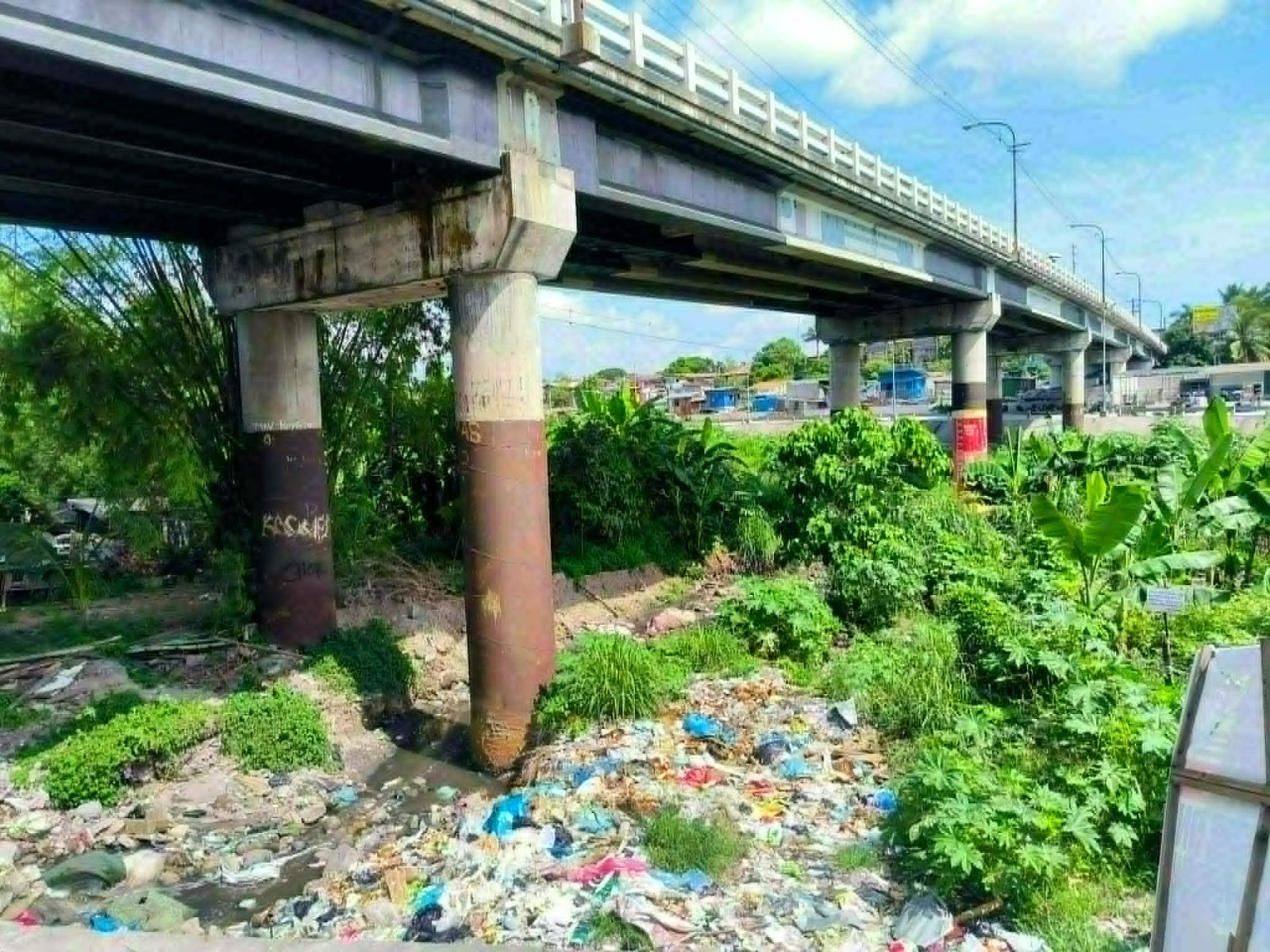
CITY OF SAN FERNANDO, Pampanga — An environmental advocacy group has called on local government units (LGUs) across Pampanga to intensify the implementation of waste management and preventive health programs, warning that poor compliance with environmental laws continues to endanger public health, particularly during the rainy season.
Alfonso “Sonny” Dobles, vice president of the Abacan River and Angeles Watershed Advocacy Council, Inc. (ARAW-ACI), on Monday urged mayors and barangay officials in the province to strictly enforce the Ecological Solid Waste Management Act (Republic Act No. 9003) and the Philippine Clean Water Act (Republic Act No. 9275).
Dobles said the two landmark environmental laws were enacted to safeguard communities from the harmful effects of improperly managed solid and liquid waste.
“We need clean water to sustain life, including the lives of animals and plants. We need a healthy ecosystem to survive,” Dobles said, emphasizing that the Clean Water Act provides the legal framework for proper septage and wastewater management to prevent contamination of soil and water resources.
He stressed that the consistent implementation of the law is essential to ensure that drinking water remains safe and communities are protected from waterborne diseases.
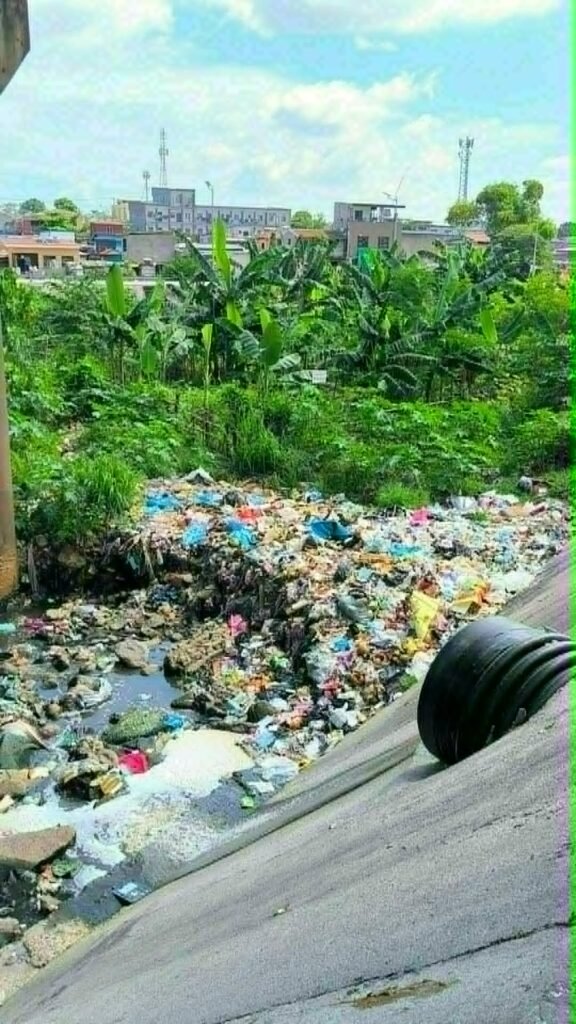
Dobles expressed concern over the continued illegal dumping of garbage in open spaces and waterways across Pampanga. According to him, field inspections conducted with members of the Nagkakaisang Guardians have documented numerous cases of waste accumulation in vacant lots that eventually become open dumpsites, while rivers and creeks such as the Abacan River, Balibago Creek, and Dau Creek continue to be used as illegal disposal sites.
He warned local officials that failure to enforce environmental laws could expose them to administrative and legal liability for negligence.
Dobles noted that poor waste management has serious public health implications, particularly during the rainy season when flooding spreads contaminated water into residential communities.
He said illnesses such as leptospirosis, severe diarrhea, typhoid fever, and wound infections commonly increase during periods of heavy rainfall due to exposure to contaminated floodwaters and improperly disposed waste.
His appeal comes after an illegal open dumpsite in Barangay Calumpang, Mabalacat City, was closed by local authorities following a fire that produced thick smoke affecting nearby communities. Similar incidents involving illegal waste dumping were also reported earlier this year in the municipalities of Sta. Ana and Arayat.
Septage Fee Suspension Raises Concern
Dobles also expressed concern over the suspension of septage or environmental fees by several Pampanga LGUs, saying the move effectively disrupts the implementation of the province’s septage management program mandated under the Clean Water Act.
He identified Angeles City, Magalang, Apalit, San Simon, and Arayat as among the local governments that have temporarily suspended the collection of septage fees.
While acknowledging the need to review the reasonableness of the fees, Dobles said the assessment should be completed without unnecessary delay to prevent interruptions in essential septage management services.
He warned that prolonged suspension of the program could result in untreated septic waste contaminating underground aquifers, which serve as a major source of potable water for many communities.
Dobles also backed the call of Nueva Ecija Governor Aurelio Umali for the Department of Environment and Natural Resources (DENR) to investigate the compliance of LGUs and private septage operators with regulations governing the proper treatment and disposal of septic waste generated by households and commercial establishments.
He said stricter enforcement is necessary to ensure environmental laws are effectively implemented and violators are held accountable.