

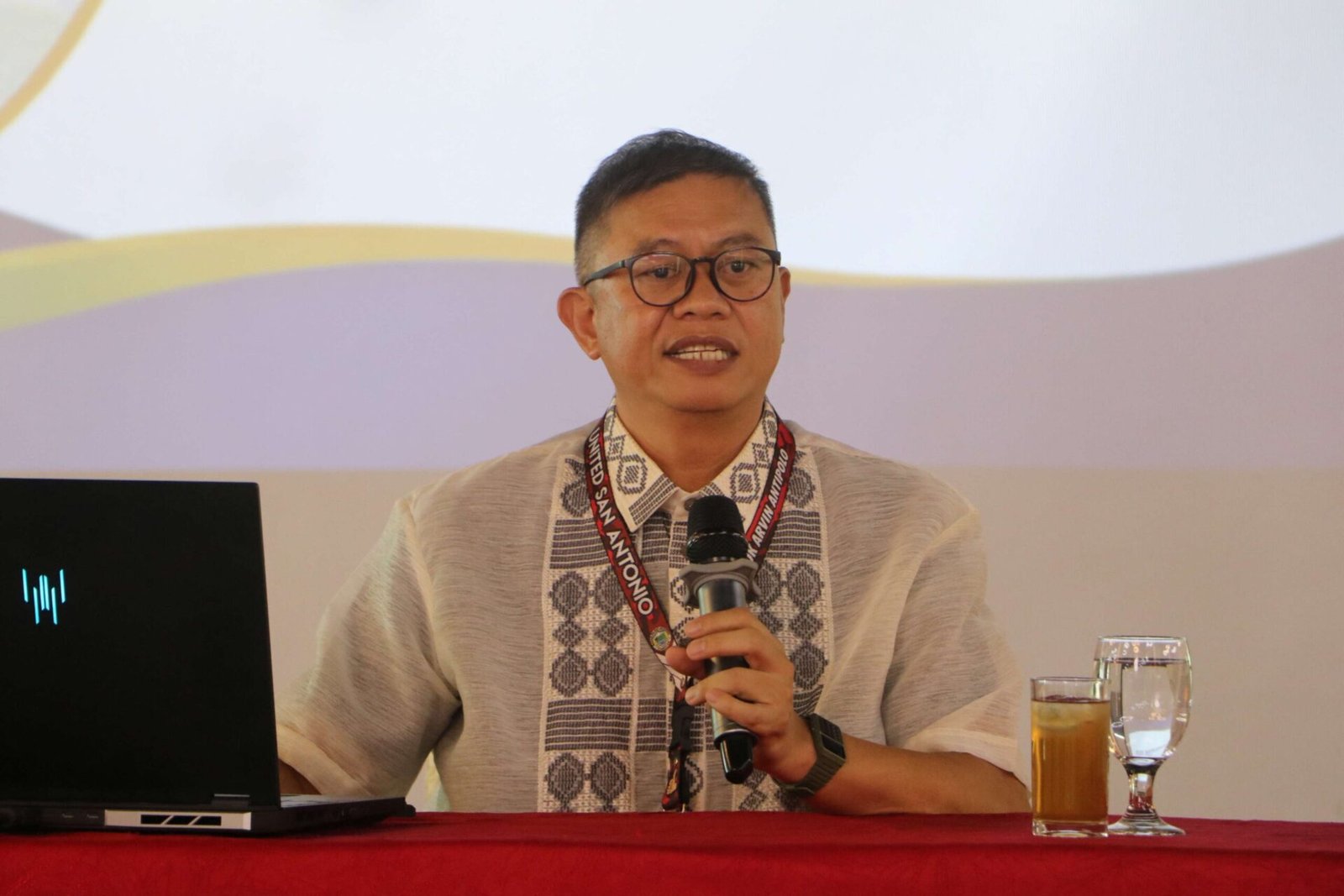
San Antonio, Zambales Mayor Dr. Arvin Antipolo addresses the media during the Talakayan sa Freeport on April 29 at the Terrace Hotel in Subic Bay Freeport.
By: Gabriel Salvana
Subic Bay Freeport – San Antonio, Zambales is emerging as a potential hub for clean energy development following the discovery of what local officials describe as one of the world’s largest deposits of natural hydrogen gas—a resource that could reshape the municipality’s economic future and contribute to the country’s energy security.
Speaking as a resource speaker during the Talakayan sa Freeport held on April 29, 2026 at Terrace Hotel, Mayor Dr. Arvin Antipolo outlined the significance of the discovery and the steps being undertaken by the local government to prepare for large-scale development.
Antipolo said hydrogen, now being explored globally as a clean energy source, has wide-ranging applications—from powering vehicles through fuel cell technology being developed by companies like Honda to serving as an alternative source for electricity generation. He emphasized that unlike conventional hydrogen production, which requires significant energy input, the deposits found in San Antonio occur naturally, making them more efficient to harness.
The mayor noted that while President Ferdinand “Bongbong” Marcos Jr. has already approved Petroleum Service Contracts (PSCs) covering hydrogen-rich areas in Northern Zambales and Southern Pangasinan, San Antonio is not yet included. However, he expressed optimism that the municipality will soon be part of future exploration and development plans.
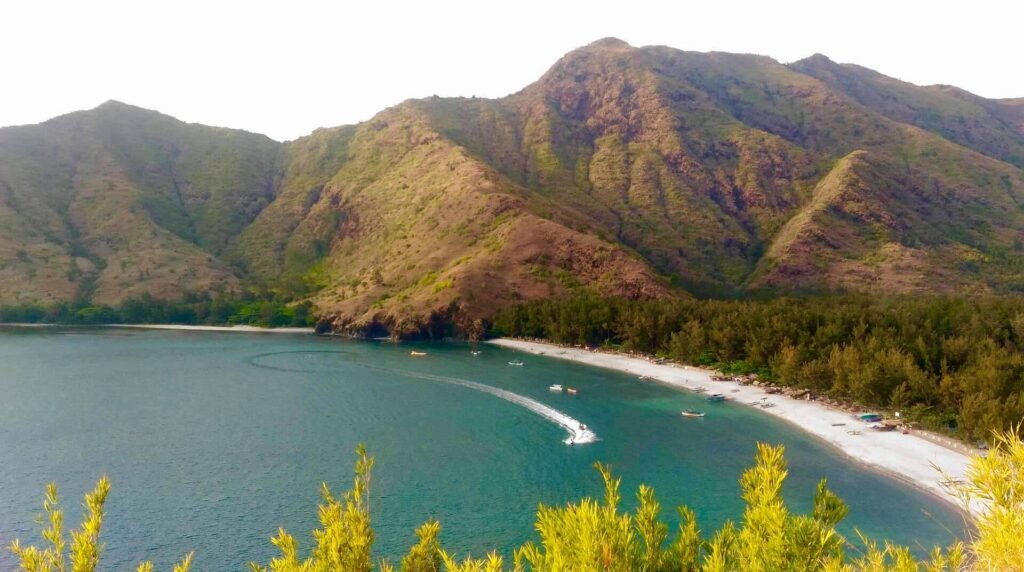
To advance this goal, Antipolo revealed that the local government has initiated coordination with the Department of Energy (DOE) and the Department of Science and Technology (DOST) to validate and study the hydrogen deposits. Findings from these engagements confirmed the presence of naturally occurring hydrogen in the municipality’s mountainous areas.
The local government has also moved to institutionalize its preparations by creating the San Antonio Green and Renewable Energy Council and the San Antonio Green and Renewable Energy Investment Board. These bodies are expected to facilitate policy direction, attract investors, and ensure that infrastructure developments directly benefit the community.
Antipolo added that discussions with the Office of the First Lady are expected to continue by mid-May, focusing on investment opportunities and potential benefits for San Antonio. Among the priorities being pushed by the municipality is ensuring that key infrastructure related to hydrogen development will be located within the town, allowing it to generate revenues through real property taxes and strengthen its Special Education Fund.
The discovery has also drawn global attention, with the mayor citing reports linking hydrogen exploration initiatives to high-profile figures such as Bill Gates and Jeff Bezos.
Beyond economic gains, Antipolo underscored the broader impact of the project, particularly in addressing Central Luzon’s fragile power supply. With the region facing the risk of rotational brownouts due to limited energy reserves, the development of a new, clean power source is seen as both timely and necessary.
“As we stand today, San Antonio is a first-class municipality,” Antipolo said. “But with this opportunity, we envision becoming a world-class municipality in the future.”
As exploration efforts continue and national support builds, San Antonio’s hydrogen discovery may not only transform the town itself but also play a key role in the Philippines’ transition toward sustainable energy.